

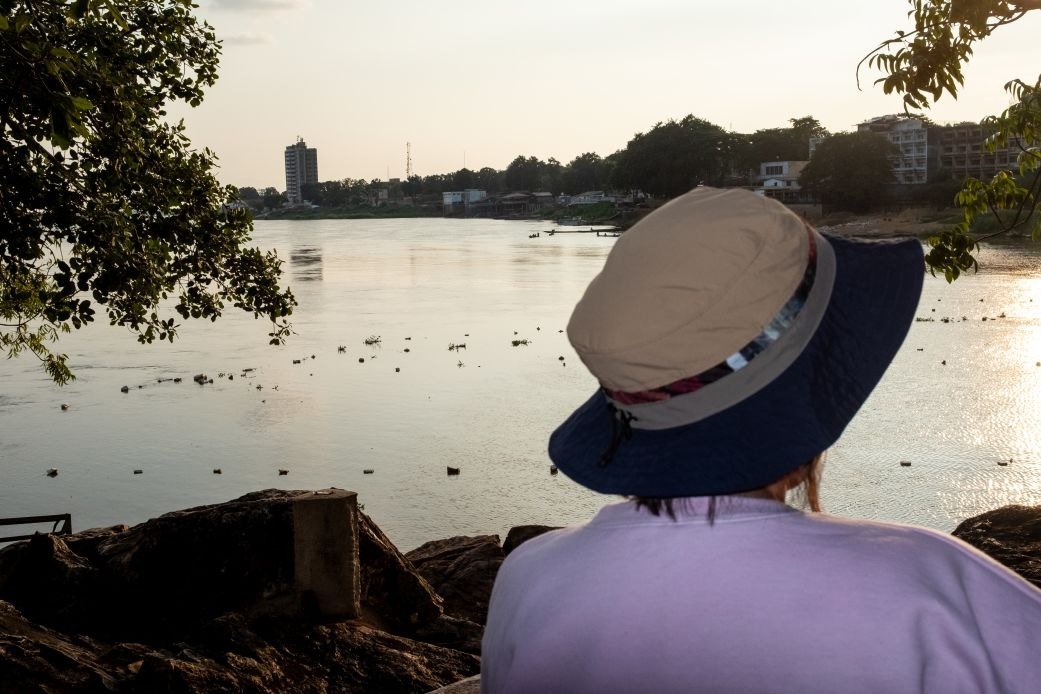
For Nika, a pseudonym used to protect her safety, the hope of building a new life in the United States has been replaced by the reality of living in the Central African Republic, a country she had never visited before her deportation. “It’s okay now, I’m safe,” she remembered thinking upon her initial arrival in the US, believing she could finally start over. Her optimism was short-lived, however, as she now finds herself in a precarious situation in Bangui, the capital city, where she has resided for over two months.
Nika’s journey to the US was driven by her history of protesting against the Iranian regime. She expressed deep grief over the loss of friends who were killed by the Islamic Republic, noting that many others remain imprisoned. She remains convinced that returning to Iran would result in her death. Her deportation occurred during a period of heightened tension between the US and Iran, following widespread anti-government protests and a subsequent US-led military campaign earlier this year that resulted in the death of Supreme Leader Ayatollah Ali Khamenei.
Despite having previously lived freely in California after months in ICE detention, Nika was arrested in June after attending what she believed to be a routine meeting with authorities. Documents indicate that officials had decided on her deportation weeks prior. On June 11, she was placed on a flight alongside 17 other migrants from countries including Afghanistan, Iraq, and Georgia. Her immigration lawyer, Sahar Jalili Pawelski, described the emotional toll of the event, noting that Nika had previously secured a protection order intended to prevent her return to a place where she faced potential persecution or death.
The shift in policy reflects the current administration’s stance on immigration, with officials asserting that third-country agreements are necessary for national security and that all deportees have received due process. A Department of Homeland Security spokesperson stated that the US uses foreign assistance to support nations that help achieve its immigration priorities. This appears to be linked to a significant increase in US funding for the Central African Republic, including $85 million for the International Organization for Migration and $50 million for the country’s Humanitarian Fund.
Life in Bangui has proven difficult for Nika, who rarely leaves her apartment due to safety concerns. She has faced allegations of harassment by local police—claims the police deny—and has struggled with health issues, including a bout of malaria. The US State Department currently advises against all travel to the Central African Republic, citing risks of kidnapping, terrorism, and disease.
The long-term status of these deportees remains unclear. Nika and others were granted only a temporary, three-month stay. Following a second deportation flight on July 31 that brought 31 additional people to the country, there is growing anxiety that migrants may be forcibly repatriated to their home countries once their temporary housing expires. Nika’s lawyer is currently pursuing a federal lawsuit to challenge her deportation and reopen her asylum claim, hoping to secure her return to the United States. The report also notes that she described her joy at reaching “one of the best countries in the world,” but her happiness would prove fleeting. The report also notes that nika is among a growing number of migrants deported by the Trump administration to countries they’ve never been to – countries that can hardly be considered safe havens. The report also notes that where people like Nika are increasingly festering, so it has inked dozens of arrangements with third countries. The report also notes that and some of them are still in prison,” she said tearfully. The report also notes that “I know if I was in Iran, they’re going to kill me.”. The report also notes that her story unfolds at a remarkable time in US-Iran relations. The report also notes that killing thousands, the regime launched an unprecedented crackdown. The report also notes that president Donald Trump encouraged protesters to “take over your institutions” and said, “help is on its way.”.