

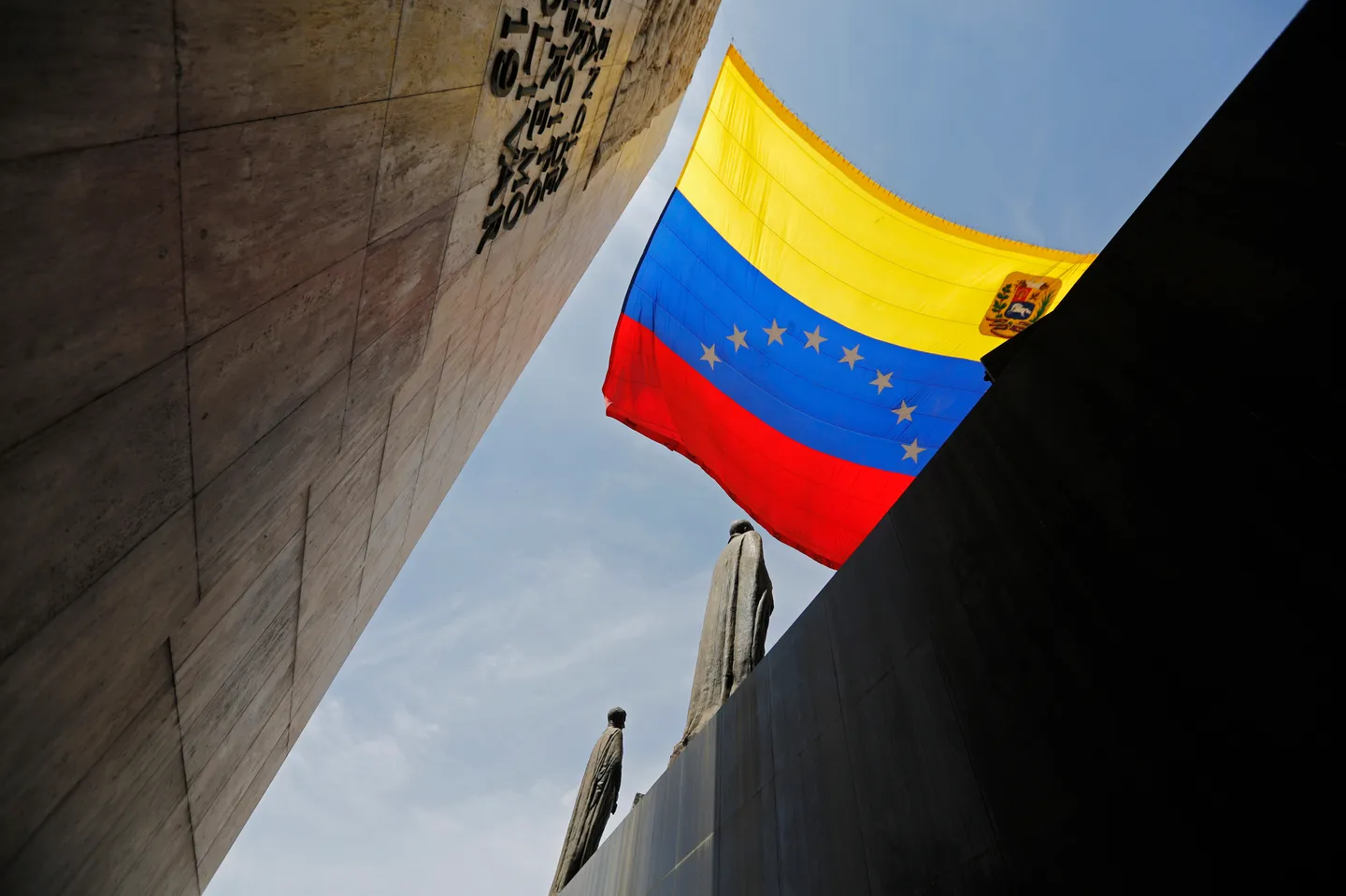
Venezuela has officially commenced a series of formal transition negotiations in Washington, DC, marking a significant attempt to resolve the prolonged political paralysis that has gripped the nation’s institutions. The talks are fueled by a sense of cautious optimism as representatives from the interim government and various opposition factions seek to bridge deep-seated divides.
The primary agenda for these discussions includes the reconstruction of critical state institutions, the restoration of electoral credibility, and the establishment of a framework for internationally recognized elections. These efforts are running parallel to the urgent need for humanitarian relief following recent, severe earthquakes in the region.
Despite the formal start of proceedings, observers remain measured in their outlook. Venezuela’s history is marked by numerous unsuccessful negotiation attempts, and the persistent mistrust between opposing political camps means that few are ready to declare this a definitive turning point.
Jenaro Abraham, a political scientist and professor of Latin American politics at Gonzaga University, noted that the most immediate, tangible outcomes will likely center on coordinating humanitarian aid and earthquake reconstruction. He suggests these efforts will help foster better cooperation between domestic institutions and international donors.
Abraham further emphasized that the negotiations could provide a basis for the gradual easing of international and US sanctions, provided that measurable institutional and political reforms are successfully implemented. He highlighted that even incremental progress in areas such as judicial oversight, electoral administration, and political participation could bolster stability and encourage broader international engagement.
However, the security landscape remains a significant hurdle. Abraham warned that the presence of armed groups near the Colombia-Venezuela border is unlikely to be resolved through national-level agreements alone. He argued that without a comprehensive security strategy and sustained institutional strengthening, these groups will likely maintain their influence regardless of the outcomes of the current talks.
A central question looming over the public since the removal of Nicolas Maduro in January is whether Venezuela can move beyond the influence of Chavismo. While these closed-door discussions may not provide an immediate answer, they are expected to signal how Chavismo—a left-wing ideology rooted in the programs and governing style of the late Hugo Chavez—will function in the future, whether as a governing party, a coalition partner, or a permanent opposition movement.
Abraham described Chavismo as a diverse and highly organized social and political movement that encompasses military sectors, labor organizations, state bureaucracies, and various neighborhood and business groups. He noted that while public frustration with the Maduro administration has weakened its support, the movement remains a potent force in the country.
The opposition is similarly complex, comprising a wide spectrum of liberal democrats, social democrats, conservatives, and business interests, alongside factions that advocate for aggressive external pressure. Consequently, any future governing coalition will likely be the result of compromises among these various currents rather than a clean victory for a single side.
The negotiations are being led by members of the pro-government National Assembly and former opposition lawmakers. Notably, opposition leader Maria Corina Machado has opted out of the process, arguing that democratic guarantees must be established before negotiations can proceed. Her absence has drawn criticism from those who believe a lasting settlement requires the involvement of all influential figures.
Abraham explained that Machado’s exclusion likely stems from her lack of representation in the 2015 National Assembly, which serves as the institutional basis for the current talks. Furthermore, international stakeholders appear to be prioritizing the restoration of state institutions and overall political stability over the inclusion of highly polarizing figures who might impede consensus.
The United States has expressed support for the transition, characterizing the talks as a vital first step toward securing a free and open society in Venezuela. Washington’s interest is multifaceted, aiming not only to support democratic reform but also to address regional concerns such as irregular migration. Following a meeting with Paraguayan Vice President Pedro Alliana, Secretary of State Marco Rubio told Newsweek that significant work has been dedicated to laying the necessary groundwork for future elections.
Although former President Donald Trump suggested shortly after Maduro’s removal that US companies would quickly move to rebuild the energy sector, reports from Axios indicate that no such deals have materialized eight months later. Ultimately, the current consensus suggests that a phased approach—linking political reform with economic recovery and humanitarian aid—remains the most viable path forward for Venezuela’s long-term stability.
“Any durable transition will depend less on the signing of agreements than on whether the parties are willing and able to implement them consistently over time.”
Still, expectations remain tempered.
“Likewise, the Venezuelan opposition is far from homogeneous.
In hindsight, the talks look to be inclusive, with even Maduro himself giving a nod to the talks from detention in the US.
“Second, many international actors supporting the negotiations appear to prioritise the reconstruction and strengthening of Venezuelan state institutions—both those that predate the PSUV’s rise to power and those established under the Bolivarian Republic that continue to enjoy broad constitutional legitimacy—as well as broader political stability, over the participation of highly polarising political figures.”
To put this in perspective, including a figure who consistently advocated uncompromising positions toward the Maduro government could make it harder to reach an agreement.
The US broadly supports an agreement that delivers credible institutions, internationally recognised elections, and protections for political participation.
A more stable Venezuela would help curb irregular migration across the region and crack down on drug trafficking — strategic priorities Washington has repeatedly tied to the outcome here.
Energy, though, may be the quieter driver behind it all.
“The United States, for its part, appears primarily interested in rebuilding institutions that could facilitate political stability in service of US-led extractivism around oil and other mining-related assets,” Abraham says.
That means reorganising the National Electoral Council, overhauling a judicial system still stacked with Chavismo loyalists, and rebuilding the administrative machinery investors would need to trust before returning to Venezuela’s oil sector.