

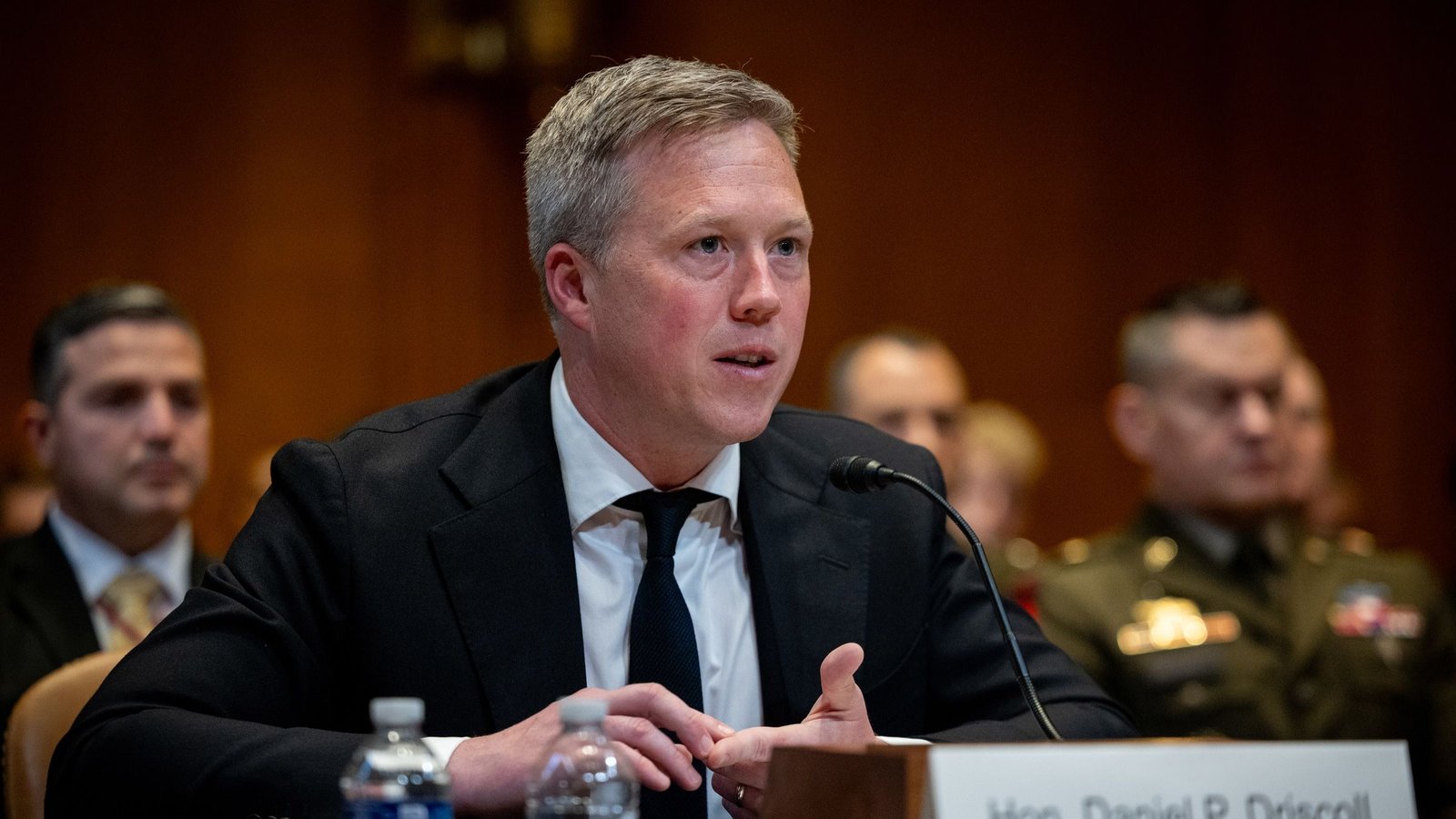
Army Secretary Dan Driscoll has formally submitted his resignation to President Donald Trump. The move follows a period of mounting internal friction between Driscoll and Secretary of Defense Pete Hegseth, according to multiple individuals familiar with the situation. While the exact timeline for his departure remains unconfirmed, it is expected that the under secretary of the Army, Mike Obadal—a retired Army colonel and special operations aviator—will assume the role of acting secretary.
In his resignation, Driscoll reportedly raised specific concerns regarding the administration’s approach to Army transformation and readiness. He specifically cited Hegseth’s interference in these initiatives, particularly the firing of key generals responsible for overseeing them. An Army official confirmed that Driscoll met with the president to discuss the current state of the force before finalizing his decision to leave.
The resignation comes after months of speculation regarding Driscoll’s future, exacerbated by his close personal ties to Vice President JD Vance. The two men were classmates at Yale Law School and have maintained a long-standing friendship. This relationship reportedly fueled suspicion from Hegseth, who has been described as distrustful of both civilian and military officials throughout his tenure, often viewing Driscoll’s direct line to the White House as an attempt to bypass his authority. Trump had even nicknamed Driscoll the “drone guy” in recognition of his focus on modernizing military technology.
Hegseth’s leadership has been marked by an aggressive stance on cultural issues, which stood in stark contrast to the focus on equipment modernization and force readiness championed by Driscoll and the late Army Chief of Staff, Gen. Randy George. Earlier this year, Hegseth fired Gen. George alongside two other generals, a move that drew significant scrutiny from lawmakers. During congressional testimony in April, Driscoll publicly defended the general, stating, “There is no person that has more respect for Gen. George and his 42 years of service, his Purple Heart, his wife Patty, their grandkids, their kids. I adore them. And he was an amazing, transformational leader.”
The list of senior leaders forced out or fired by Hegseth is extensive, including former Vice Chief of Staff Gen. James Mingus, Army Transformation and Training Command head Gen. David Hodne, Chief of Chaplains Maj. Gen. William Green Jr., and Director of the Joint Staff Lt. Gen. Douglas Sims. Most recently, Gen. Christopher Donahue, the commander of US Army Europe and Africa, retired last week after Hegseth failed to nominate him for a new position, despite reports of tension between their respective offices.
Despite the internal discord, the White House has maintained a positive public stance on Driscoll’s performance. Spokesperson Anna Kelly stated that Driscoll was “highly effective in advancing President Trump’s agenda to Make America Strong Again,” citing his leadership during military operations, his work on readiness, and his involvement in facilitating negotiations between Russia and Ukraine. The departure occurs as the ongoing war in Iran reaches its six-month mark with no clear resolution in sight. The report also notes that has reached out to the Army for additional comment. The report also notes that the Wall Street Journal first reported on Driscoll’s departure. The report also notes that george and Driscoll worked closely together. The report also notes that multiple sources previously told, the secretary has been distrustful of officials around him — civilian and military alike — and suspicious about their loyalties, nearly from the beginning of Hegseth’s tenure. The report also notes that hegseth — who served in the Army National Guard for nearly 20 years — has taken particular interest in the Army and its leadership. The report also notes that this story has been updated with additional information. The report also notes that zachary Cohen contributed to this report.