

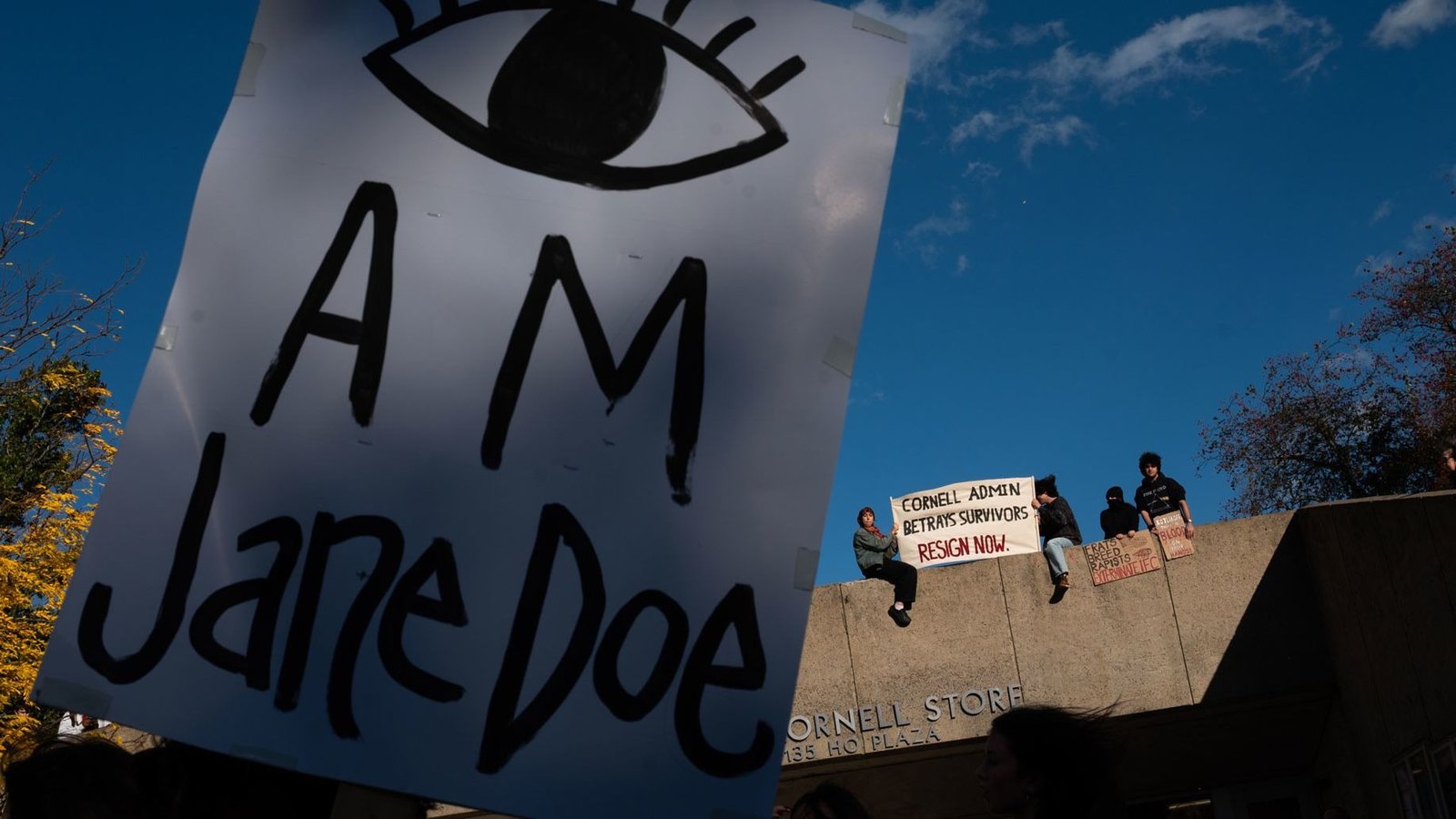
Cornell University is facing a significant leadership crisis as members of its Faculty Senate move forward with a resolution for a no-confidence vote against the school’s administration. The effort, introduced Monday evening, serves as a formal rebuke regarding the institution’s management of a 2024 case involving a student who alleged a gang assault on campus. A no-confidence vote represents a major attempt to compel structural changes or potential resignations within the university hierarchy. With more than 75 members representing the university’s faculty, the Senate is Cornell’s main legislative advisory and review body.
Labor history professor and Faculty Senate member Paul Ortiz confirmed that the faculty have been approached by hundreds of students, alumni, and staff members collectively demanding accountability. Ortiz noted that some students who reached out to faculty have personally endured such incidents. He stated that the campus community is exhausted by the ongoing issue of sexual violence and the perceived inaction of university leadership, noting that even past alumni donors are expressing deep frustration with the status quo.
The situation intensified following the recent filing of a civil lawsuit by a former student, identified as Jane Doe. The legal action names the university, the Chi Phi fraternity, and seven fraternity members, alleging that the school failed to provide necessary protection or adequate disciplinary measures. Public demonstrations erupted in Ithaca on Monday, with protesters marching through the streets to demand the administration’s resignation. Demonstrators also staged a protest at the university’s administration building, where glass doors were broken and walls were spray-painted with slogans such as “smash the patriarchy.” Some groups are also planning to host a seven-hour sit-in on Wednesday “in solidarity with Jane Doe,” according to social media flyers for the event.
During a meeting with the Graduate and Professional Student Assembly, Cornell President Michael Kotlikoff acknowledged the widespread anger, stating that he understands the frustration regarding the handling of the 2024 allegations. While Kotlikoff has publicly pledged a comprehensive review of the incident, the faculty move remains active. A university faculty committee is currently reviewing the no-confidence resolution, which is expected to reach the full Senate agenda by October 14. Support for the measure is substantial, with approximately 40 senators already backing the push for a vote. From sexual abuse survivors to students on campus and now to the school’s president, growing outrage over how Cornell University handled rape allegations from a student in 2024 has stretched across the country. I understand that anger,” Kotlikoff said, according to The Cornell Daily Sun. “People want easy answers to this. Saying Doe’s case highlights “heartbreaking and troubling issues about sexual assault, dehumanization, and aspects of party culture, alcohol, and drug use.”, the president previously released a video statement promising further review and answers.
The investigation has also drawn scrutiny regarding the conduct of Cornell police and the Tompkins County District Attorney’s office. Evidence surfaced indicating that campus police drafted letters to wireless carriers, including Verizon and T-Mobile, seeking the preservation of data such as texts, calls, and media associated with accounts pertinent to the inquiry. It remains unclear if these requests were ever dispatched or subpoenaed. The district attorney’s office maintains that they received only a six-page statement and specific social media screenshots, claiming prosecutors opted not to pursue charges based on the provided evidence. How much information was shared with the district attorney’s office, the prosecutors’ initial decision not to file charges, and whether the school’s internal investigation and actions went far enough, the ensuing fallout has raised questions about how Cornell police handled Jane Doe’s allegations.
In response to the mounting controversy, New York Governor Kathy Hochul has appointed state Attorney General Letitia James as a special prosecutor to review the handling of the case. Jane Doe’s attorney, Thomas Giuffra, expressed confidence in this new oversight, noting that he anticipates a fair investigation with fresh eyes on the existing evidence. Giuffra also highlighted that his client has faced threats to her identity and safety, a concern he reportedly shares as well. As the legal proceedings unfold, the individuals named in the civil suit have denied wrongdoing, with some fraternity members acknowledging sexual contact but maintaining it was consensual, while others deny contact entirely.