

The Hamas-led assault on October 7 shattered the long-standing belief that Israel could guarantee the safety of its citizens solely through intelligence, military deterrence, and superior technology. In the three years following the attack, the Israeli government has waged a devastating war in Gaza, framing it as a vital necessity for restoring security. However, this prolonged military campaign has instead deepened the vulnerabilities it sought to eliminate, further fracturing Israeli society and severely damaging the country’s standing on the global stage. Shattering the long-held belief that military superiority, intelligence and deterrence could guarantee the security of its citizens, the Hamas resistance group’s October 7 blitz exposed a profound failure at the heart of Israel’s security model. In response, Israel launched a genocidal war in Gaza, presenting it as necessary to restore security and prevent another such attack.
Former Israeli Foreign Ministry director general Alon Liel observes that the Israeli public has shifted notably to the right in the wake of the conflict. The government’s handling of the crisis, combined with an intense media focus—estimated by Liel at 95 percent—on domestic suffering, hostages, and destruction, has fueled an environment of growing isolation for the country’s 20 percent Arab minority. This ideological shift has fostered increasing hostility and raised significant concerns regarding the erosion of democratic norms within the state. The scale of the damage and the embarrassment of the government were channelled into a more nationalistic sentiment and a desire for revenge,” Liel said. “The media, in the years since, has focused overwhelmingly, perhaps 95 percent of the time, on our suffering, the casualties, the hostages, the destruction inside Israel and so on. As a result, the public has become very angry and nationalistic, strengthening right-wing political parties.”. “We have 20 percent Arab citizens, and hostility towards them has grown, leaving them increasingly isolated,” she says.
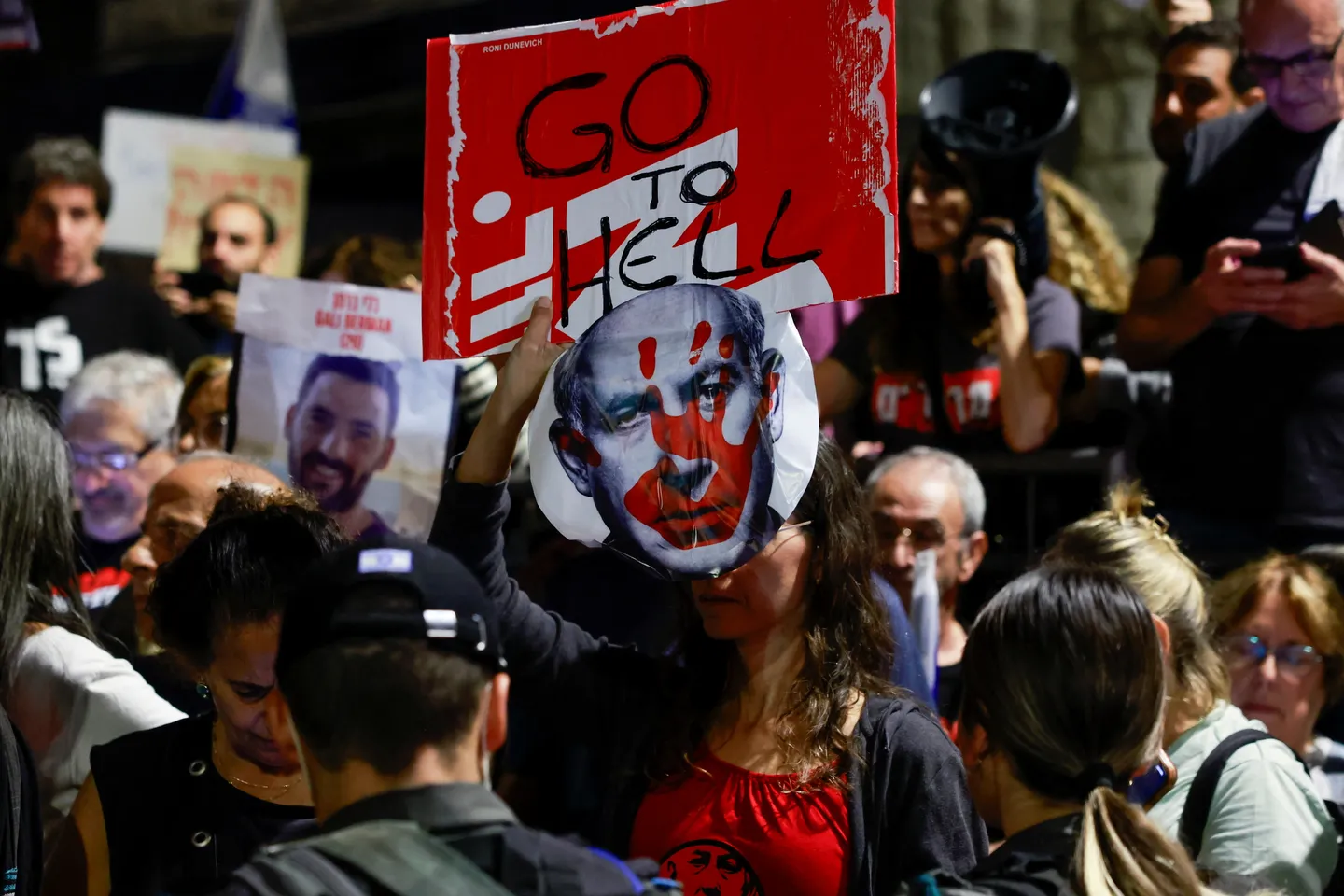
The political fallout extends well beyond the initial intelligence and operational failures of Benjamin Netanyahu’s administration. Despite widespread calls for transparency, the government has repeatedly resisted demands for a state commission of inquiry. This reluctance has only deepened public dissatisfaction; a recent survey by the Institute for National Security Studies (INSS) marking the three-year anniversary reveals that only 34 percent of Israelis approve of the government’s management of the war, while 75 percent explicitly support a formal state inquiry into the failures surrounding the October 7 incident.
Palestinian scientist and 2025 Nobel Peace Prize nominee Professor Mazin Qumsiyeh argues that the conflict has exposed the fundamental fragility of the status quo maintained since 1948. He contends that the reliance on military might to uphold a system characterized by structural inequality is inherently unsustainable. From his perspective, the intense focus on military solutions has ultimately brought the current regime closer to its limits, suggesting that true stability can only emerge from the restoration of human rights, self-determination, and adherence to international law.
Israel’s international position has suffered immensely as a result of the war. Legal scrutiny has intensified significantly, highlighted by the International Court of Justice’s July 2024 ruling that Israel’s presence in occupied Palestinian territories is unlawful and must be terminated. Furthermore, in November 2024, the International Criminal Court issued arrest warrants for Prime Minister Netanyahu and former defence minister Yoav Gallant, citing allegations of war crimes and crimes against humanity. These developments have placed unprecedented diplomatic and legal pressure on the state. Its decades-long mistreatment of Palestinians, and the future of a state built on the continued occupation of Palestinian land, it has raised broader questions about Israel’s political leadership.
Domestically, the war has failed to quell the fear of future attacks. The same INSS survey found that 59 percent of Israelis believe a repeat of October 7 remains a possibility from the Gaza border in the coming years. Only 38 percent of respondents view the current security situation as improved, while 32 percent believe it has deteriorated. This data highlights a stark contradiction in the government’s narrative, as the application of massive military force has struggled to translate into a genuine sense of safety for the public.
Societal divisions remain a defining feature of the current landscape. Concerns regarding corruption, the health of democratic institutions, and the independence of the judiciary and bureaucracy have deepened. Critics and opposition figures argue that the government’s aggressive policies are eroding the foundations of state democracy, leaving the country more divided than it was prior to the outbreak of hostilities. For many, the past three years have served as a harsh lesson that military strength alone cannot provide a sustainable path to security or national cohesion.