

President Donald Trump announced on Monday that Russia and Ukraine have reached an agreement to cease strikes on each other’s energy infrastructure. The president, who framed the initiative as a response to a global diesel supply squeeze, suggested that the conflict between the two nations is the primary driver of rising fuel costs for American voters. The move follows months of persistent attacks that have disrupted regional markets and impacted energy logistics.
Initial reactions from both capitals were measured. Russian officials characterized the proposal as a “good idea” but stopped short of confirming a cessation of hostilities against Ukrainian energy facilities. Meanwhile, Ukrainian leadership pledged “de-escalatory steps,” contingent upon American partners successfully securing a firm commitment to reciprocal restraint from Moscow.
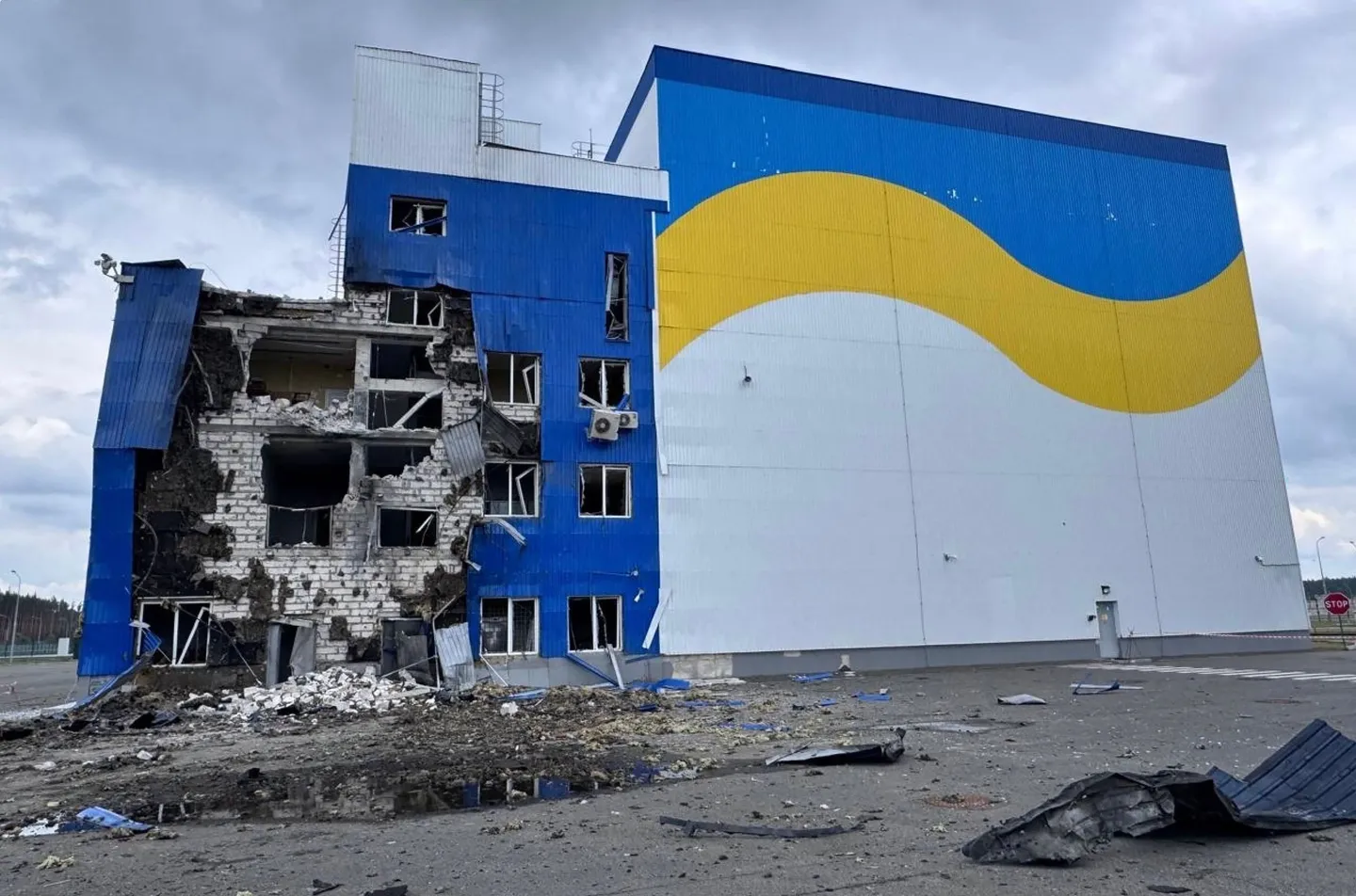
Despite the announcement, physical hostilities have persisted. Reports indicate that Russia targeted petrol stations in Kiev following the announcement, while Ukraine claims to have conducted strikes on a Russian oil refinery. These exchanges underscore the difficulty of de-escalating a conflict now entering its fifth year, with previous US-brokered pauses—such as a short-lived agreement in January 2026 and an unmaterialized 30-day proposal in 2025—failing to hold.
Analysts suggest domestic political timing is a significant factor in the US push. Arkady Moshes of the Finnish Institute of International Affairs notes that while the administration is seeking to mitigate fuel price hikes before the November midterm elections, the impact on Moscow remains questionable. Moscow, which benefits from elevated global energy prices, continues to demand that Kiev cede territory, particularly in the Donbass, and permanently abandon its NATO aspirations.
The global fuel landscape remains volatile. Retail diesel prices in the US recently climbed above $6 a gallon, exacerbated by a combination of factors including Russian export restrictions and ongoing instability in the Middle East. Shipping disruptions near the Strait of Hormuz and attacks by the Houthi group in the southern Red Sea have further tightened global supply lines, which were already stressed by refinery damage caused by Ukrainian drone strikes.
According to the International Energy Agency, Ukrainian forces have struck Russian refineries at a frequency of approximately once every three days. Repairing these facilities has proven logistically difficult. While some experts, such as Rachel Ziemba of the Center for a New American Security, argue that stopping these strikes could give Russia vital breathing room for repairs, there is skepticism that it would substantially ease global prices given the broader, structural energy crisis.
Diplomatic efforts to end the war remain in a state of flux. While presidential envoys Steve Witkoff and Jared Kushner have held discussions with Vladimir Putin and Volodymyr Zelenskyy, these meetings have not produced a breakthrough. Zelenskyy has noted that Washington presented “decent ideas” for peace, yet he emphasizes that any diplomatic path must yield concrete results that protect Ukraine’s sovereignty.
Critics remain skeptical about the efficacy of current US-led diplomacy. Professor Mikhail Alexseev of San Diego State University contends that without tougher sanctions or a clear commitment to supporting Ukraine’s territorial integrity, Moscow may view these overtures as a sign of weakness. He argues that the trajectory of the war is likely to be determined on the battlefield rather than at the negotiating table under current conditions.
Looking toward the future, both sides have indicated a willingness to engage in US-mediated talks tentatively scheduled for October 2026. Kyrylo Budanov, head of Ukraine’s Defence Intelligence, confirmed preparations for such discussions, while Kremlin spokesperson Dmitry Peskov acknowledged the possibility of talks in the near term. Nevertheless, significant obstacles remain, including Moscow’s refusal to recognize European involvement in the process and the deep-seated territorial disagreements between the two nations.
As the conflict continues, the administration faces the challenge of balancing its diplomatic objectives with the reality of an increasingly complex global energy market. With the US midterms approaching and domestic inflation remaining a critical issue, the pressure to demonstrate progress on the international stage appears to be a major catalyst for the current diplomatic push.
Ultimately, the effectiveness of an energy strike moratorium is hampered by the broader strategic leverage held by both sides. As Moscow continues to prioritize its territorial goals and Kiev refuses to formally surrender land, any diplomatic effort that fails to address these core issues is likely to remain at an impasse. The report also notes that this is Trump’s motivation,” Arkady Moshes, director of the EU’s Eastern Neighbourhood and Russia programme at the Finnish Institute of International Affair, said. The report also notes that opinion polls indicate that the US war on Iran is unpopular. The report also notes that this would be one step down the escalation ladder,” he says, but adds the situation would still be nowhere near a lasting truce, noting that since 2014 not a single ceasefire agreement has held even for several days, but even if this were true. The report also notes that while another 30-day proposal in 2025 never fully materialised, past US-brokered energy pauses have seen limited success: one in January 2026 lasted only a few days. The report also notes that US average retail diesel prices rose above $6 a gallon for the first time last week. The report also notes that with US diesel up 65 per cent, while Russian and Middle Eastern exports fell by roughly 90 and 75 per cent, experts cited by The New York Times say tensions involving Iran drove price rises. The report also notes that adjunct senior fellow at the Center for a New American Security, a Washington-based think tank, told Bloomberg that “the thought here is that a stop in attacking refineries would give Russia time to repair and reduce risk of further outages, rachel Ziemba.