

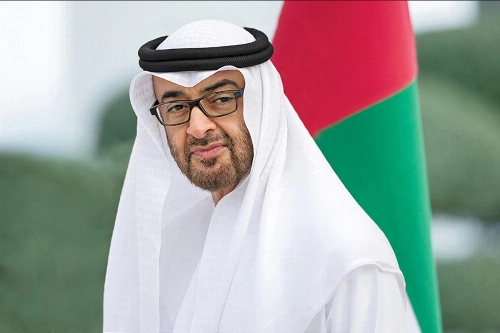
Following directives from President His Highness Sheikh Mohamed Bin Zayed Al Nahyan, the United Arab Emirates has mobilized $8 million in emergency funding to assist the Republic of Chad. This financial support, channeled through the UAE Aid Agency, is specifically aimed at mitigating the humanitarian fallout from the El Niño climate event, which has significantly intensified food insecurity and the dangers of malnutrition across the region.
Dr. Tareq Ahmed Al Ameri, Chairman of the UAE Aid Agency, emphasized that this initiative aligns with the UAE’s broader international commitment to addressing climate-driven disasters. He highlighted that rising temperatures, shifting precipitation patterns, and the resulting water scarcity have placed severe strain on agricultural outputs and community livelihoods. According to Dr. Al Ameri, tackling these complex crises necessitates a multifaceted approach that addresses immediate life-saving needs while simultaneously investing in long-term resilience and recovery.
The assistance strategy for Chad prioritizes direct support for food security, with a specific focus on reaching the most vulnerable populations currently at highest risk of hunger. By combining urgent relief with efforts to strengthen community self-sufficiency, the program aims to establish a lasting humanitarian impact. The goal is to ensure that affected households are better equipped to endure and recover from the persistent disruptions caused by climate instability.
This mission reflects the UAE Aid Agency’s ongoing global efforts to combat hunger and malnutrition through sustainable intervention programs. By integrating early recovery strategies and building structural resilience, the agency continues to work toward improving the overall living conditions of populations displaced or disadvantaged by extreme weather events. This investment in Chad serves as a continuation of these vital initiatives to provide both essential supplies and long-term stability to high-risk regions worldwide.