

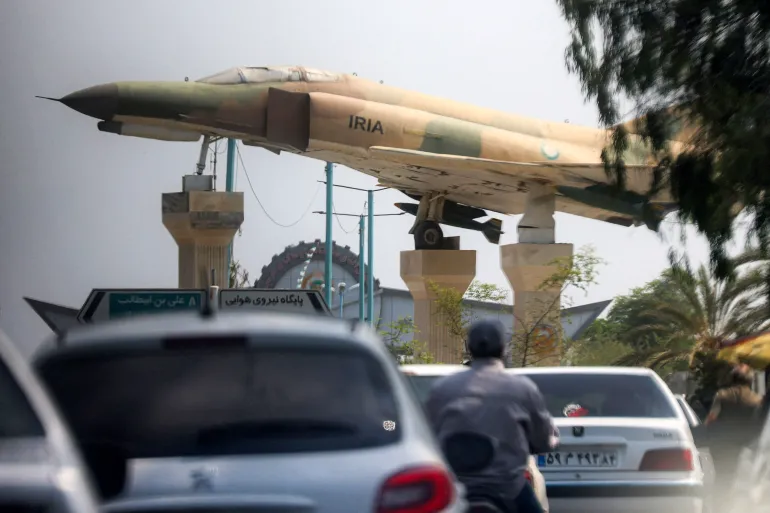
Qatar’s Foreign Ministry has formally denied accusations from Iran that it is holding three Iranian pilots in secret detention. These claims follow the downing of Iranian aircraft during regional hostilities earlier this year. A ministry spokesperson expressed surprise on Saturday regarding these “misleading statements,” emphasizing that Qatari forces are not currently holding any surviving aircrew.
The denial follows a public appeal from Tehran for the release of the aviators. General Mohammad Bagherzadeh of the Iranian armed forces alleged in a letter to the International Committee of the Red Cross that three pilots—Javad Salehi, Abdolmajid Dashtian, and Omran Behraveshian—were captured alive after their Su-24 warplanes crashed in March. According to Iran’s Fars news agency, Bagherzadeh claimed the men have been held incommunicado for six months without access to their families or diplomatic representatives.
While Iran previously acknowledged the death of one pilot and the disappearance of others following a mission to Qatar, details concerning the alleged capture of these three individuals had not been publicly disclosed until now. Doha clarified that its air defense forces engaged the aircraft in March after they breached Qatari airspace and failed to respond to multiple warnings. Search and rescue operations subsequently recovered the remains of one pilot, Majid Kazemi, whose body was repatriated to Iranian authorities.
The military incident occurred during an attack on the Al Udeid Air Base, which hosts U.S. Central Command personnel. In early March, Qatar’s Defense Ministry reported the downing of two Iranian Sukhoi Su-24 bombers, marking the first time a Gulf nation confirmed the destruction of Iranian aircraft during the ongoing conflict. These events unfolded amidst a broader wave of retaliatory strikes that began on February 28.
Although a ceasefire brokered by Pakistan in April provided a temporary reprieve, peace negotiations collapsed in June. This failure led to sporadic clashes near the Strait of Hormuz and renewed threats to regional shipping. Despite the current diplomatic friction, Qatar continues to act as a primary mediator in efforts to reach a settlement between Iran and the United States.
Diplomatic tensions are further complicated by an impending deadline. A 60-day negotiation window, established under a mid-June memorandum of understanding, is set to expire this Monday. With minimal direct dialogue occurring, maritime traffic through the Strait of Hormuz has significantly declined. Addressing an audience in New York on Friday, U.S. President Donald Trump claimed Iran was being “very badly defeated” and suggested he might soon declare the Strait of Hormuz as U.S. territory.
Tehran swiftly rejected the President’s remarks on Saturday. Iranian Deputy Foreign Minister Kazem Gharibabadi stated on X that the vital waterway “cannot be seized with a tweet, nor with an aircraft carrier,” warning that Iran would maintain its blockade until Washington acknowledges the “reality of defeat.”
The interception came amid the broader wave of retaliatory strikes across the Gulf following the outbreak of hostilities on February 28.
A 60-day negotiating window established under a mid-June memorandum of understanding expires on Monday with few direct talks having happened, leaving maritime traffic through the Strait of Hormuz at a trickle.
His statement followed public demands from Tehran seeking the release of the aviators.