

A rapid 36-hour offensive by Iran-backed Houthi forces has resulted in the capture of the strategic port city of Mocha and Perim Island, a critical location at the mouth of the Red Sea. The advance, which caught regional forces off guard, has effectively granted the Houthis control over a vital international shipping lane. Yemeni military sources described the Houthi assault as an overwhelming surge, utilizing waves of fighters supported by their full arsenal of ballistic missiles and weaponry.
Amid the fall of these coastal assets, senior Yemeni military officials have leveled sharp criticism at their international partners. One official stated that he had reached out to the United States Central Command (CENTCOM) as the situation deteriorated, receiving assurances that the US was monitoring the crisis and that Saudi air support was imminent. However, according to the official, that support never materialized, leading to the collapse of local defensive positions.
The strategic implications of the Houthi advance are significant, as control over the Bab al-Mandeb Strait provides Tehran with additional leverage over global energy markets. With the Strait of Hormuz already under Iranian influence, the potential for further disruption to oil shipments has raised concerns ahead of the upcoming US midterm elections. Analysts note that the Houthis do not require sophisticated technology to disrupt these waters; simple, low-cost tactics could effectively close the passage, impacting global trade.
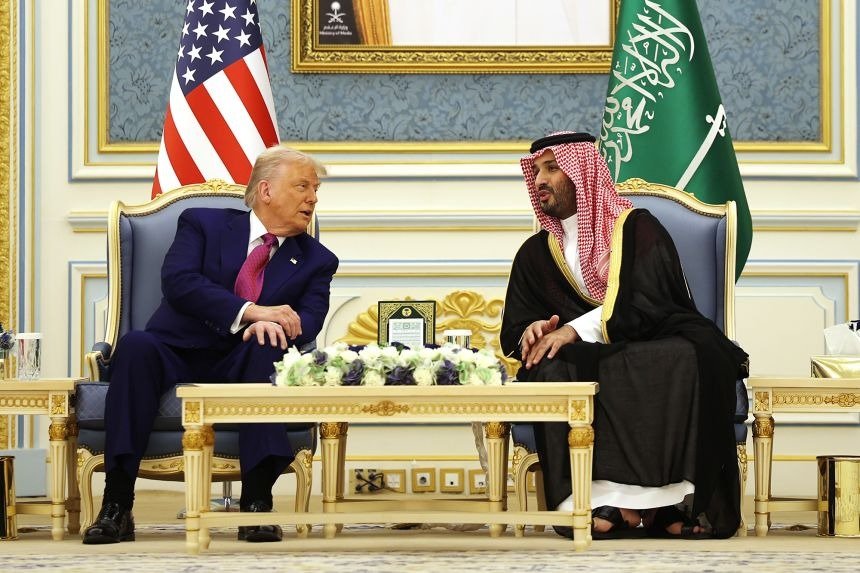
Tensions between regional allies have reached a breaking point, with some officials labeling the failure to defend the coast a disaster orchestrated by leadership in Washington and Riyadh. Reports indicate that Saudi Crown Prince Mohammed bin Salman spoke with US President Donald Trump twice on Thursday to request intervention, but the request was declined. The White House maintained that its focus remains on ensuring freedom of navigation while empowering regional partners to manage their own security challenges.
Internal issues within the anti-Houthi coalition have further complicated the response. Risk analyst Mohammed al-Basha pointed to a lack of political cohesion and the absence of a unified command structure as primary factors in the defeat. Furthermore, the withdrawal of United Arab Emirates forces in January—following a dispute with Saudi Arabia—left a vacuum that was never adequately filled. Western sources noted that Yemeni battalions on the ground were severely depleted, with actual troop strength estimated at only 20% of official rosters.
Operational failures also appear to have played a role in the rapid loss of territory. Although the Saudi military had been on high alert for three weeks, sources indicated that key air command personnel were not properly positioned to direct combat aircraft. Despite minute-by-minute updates provided to coalition forces, no airstrikes were conducted to halt the Houthi advance. CENTCOM, led by Adm. Brad Cooper, who was in Saudi Arabia for coordination meetings during the attack, declined to comment on the specifics of the operation citing security concerns.
Looking ahead, observers expect the Houthi forces to continue their push eastward. Meanwhile, the geopolitical fallout continues to intensify, with advisers to Iran’s leadership characterizing the coastal takeover as a clear victory. As the conflict shifts, the failure to secure the Red Sea coast remains a point of intense friction, highlighting the deep-seated management and strategic challenges facing the coalition in Yemen. The report also notes that the desperate pleas for air cover from Yemeni generals started coming mid-morning on Thursday. The report also notes that “The Houthis committed everything they had – waves upon waves of fighters … along with their available ballistic missiles and weapons,” a senior Yemeni source attached to their military forces told. The report also notes that the Houthis’ rapid advance amounts to an extraordinary 36 hours in a conflict that had been largely on ice for years. The report also notes that Yemen and the Red Sea have the potential to become a true second front in the Iran war. The report also notes that the gateway to the Suez Canal shipping route, is less critical to global energy markets than Hormuz, it still carries essential goods worldwide, including millions of barrels of oil every day, while the Bab al-Mandeb Strait. The report also notes that as Saudi Arabia has re-routed some exports through the waterway to bypass Hormuz, the strait has become increasingly important since the start of the Iran war. The report also notes that they can just use a cannon on a car,” said Amr Al-Bidh, the top official of Yemen’s Southern Transitional Council (STC).