

President Donald Trump confirmed on Monday that the United States is closely monitoring reports of a potential pneumonic plague case in Russia. Speaking to reporters at the White House, the President noted that American authorities are reviewing the situation, describing the incident as a significant challenge for Moscow while offering U.S. assistance. “We’re looking at it very strongly. We just heard about it,” Trump stated, emphasizing that Washington is willing to help any nation facing such health threats. He further noted the increasing difficulty in treating modern infections, remarking that while pneumonia was easier to manage in the past, contemporary germs and microbes have become more resilient. Calling the fatality a “big problem for Russia”, Trump added: “Years ago you could treat pneumonia easier, and the microbes and the germs have gotten stronger.
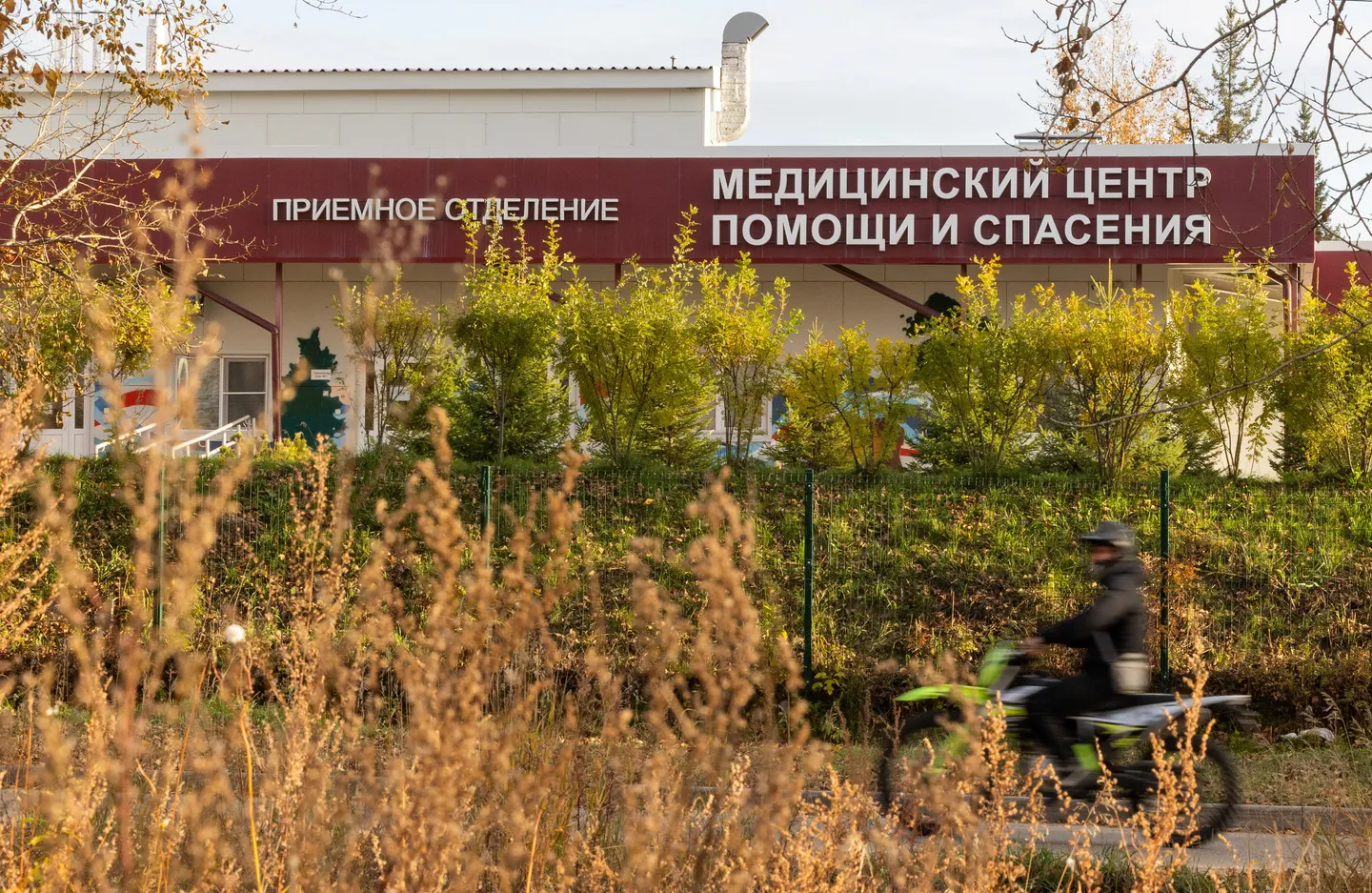
The U.S. State Department and the Centers for Disease Control and Prevention (CDC) are currently analyzing information coming out of the Irkutsk region. Secretary of State Marco Rubio affirmed that Washington is keeping a close watch on the developments. The international concern stems from the recent passing of 28-year-old Darya Shipilova, a laboratory researcher at the Irkutsk Anti-Plague Research Institute of Siberia and the Far East. Following her death, Russian authorities initiated a quarantine for dozens of individuals who had contact with her and sent the head of Rospotrebnadzor, the national consumer health watchdog, to oversee the response in Siberia.
Although the incident has sparked widespread alarm on social media platforms, Russian officials insist the situation is contained. They have officially attributed the death to pneumonia of an unknown origin and explicitly denied online rumors suggesting that a container of pathogens had been compromised or dropped. Providing an international perspective, the World Health Organisation has indicated that the risk to the general public remains low, pending further assessments and data disclosure from local authorities.
Plague, which is caused by the Yersinia pestis bacterium, is considered endemic to various wildlife populations throughout Siberia, though human infections remain historically rare. Pneumonic plague, the specific form linked to this case, is recognized as the most severe airborne variant of the disease. Health experts warn that if the condition is not addressed promptly with antibiotics, it can result in death within a period of one to six days.