

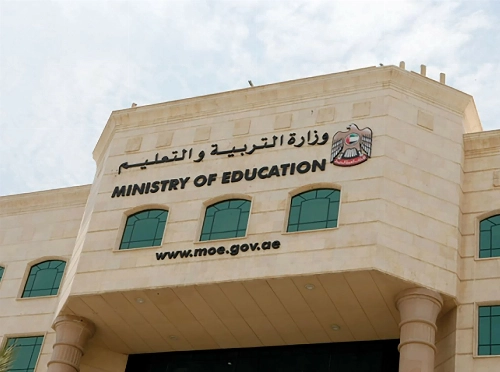
The Ministry of Education (MoE) has mandated that all schools across the UAE must install internal and external surveillance cameras while ensuring that student privacy is strictly maintained. Beyond security monitoring, the Ministry emphasized that school infrastructure must be kept in optimal condition, requiring that walls, ceilings, and floors remain free of defects. Corridors and stairwells must be configured to ensure safety and facilitate smooth, unobstructed movement for all students.
Operational safety extends to school transportation, where institutions are now required to strictly adhere to current legislation. This includes ensuring that all bus drivers and supervisors hold valid, mandatory permits for their roles as defined by each emirate. Schools must also implement rigorous, transparent procedures for the daily monitoring of students who utilize school bus services. The Ministry further affirmed that schools must maintain comprehensive policies to protect student health, which includes keeping an adequate supply of first aid kits readily available within both the school buildings and the transport fleet.
Facility management requirements also cover electrical and environmental safety. All electrical connections must be properly insulated and kept entirely out of the reach of students. Offices are prohibited from housing unauthorized electrical devices, and cleaning supplies must be stored in secure, closed areas inaccessible to children. Furthermore, schools are required to implement formal systems for visitor entry, ensuring that all guests are properly identified and their attendance is verified.
The Ministry has set strict guidelines for the inclusion of students of determination and those with special educational needs. Schools are prohibited from adopting any policies that aim to exclude these students from enrollment. Instead, they must provide a qualified, supportive environment, including the assignment of specialized teachers. Each student of determination must have a dedicated file containing individual support plans and progress reports, with data updated regularly in electronic systems. Additionally, schools are required to provide specialized examination formats tailored to meet the unique needs of these students.
Canteen operations are subject to new health and safety oversight. All food items sold must be approved by competent authorities, and canteens must be equipped with proper display units that maintain required food temperatures. To prevent overcrowding, schools must organize sales outlets effectively. Staff working in canteens are required to be licensed, trained in food safety, and must adhere to strict personal hygiene standards, including the use of appropriate protective equipment. Schools must also maintain a daily sample of all food sold and display a clear price list in a prominent location.
Regarding the physical school environment, all building plans must be officially approved by the Ministry, and facilities cannot be used for non-educational purposes without prior authorization. Schools are tasked with maintaining cleanliness, conducting periodic building maintenance, and ensuring that all facilities are accessible to people of determination. Instructional and identification signage must be clearly posted throughout the premises.
Finally, the Ministry has reinforced the importance of student conduct. Schools are required to implement approved behavior management regulations and ensure that a behavior management committee is active and its proceedings are documented. Both students and their parents must be kept informed of these disciplinary provisions, while schools are expected to monitor student compliance with general behavioral standards and uniform requirements.