

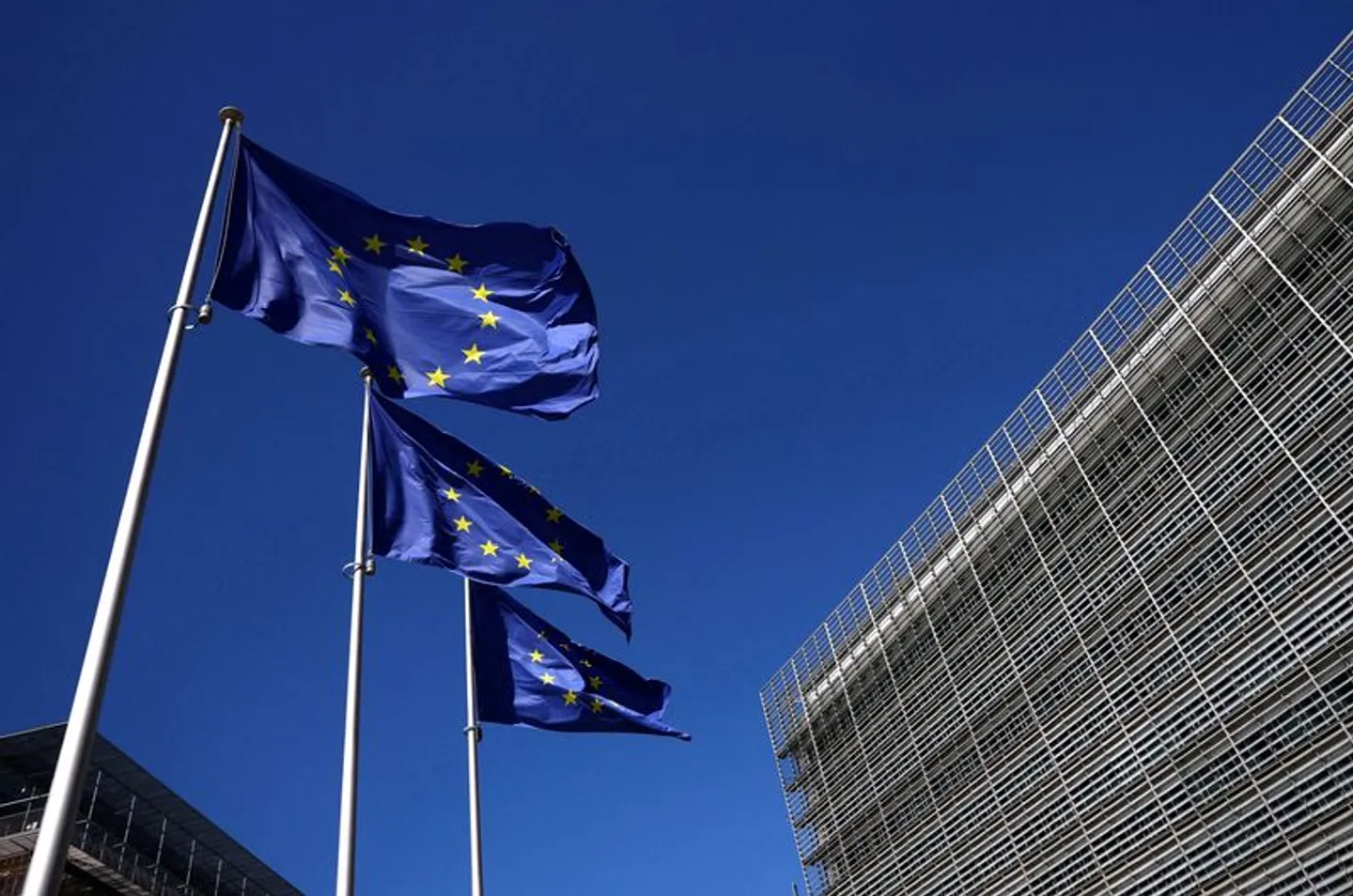
Turkish President Recep Tayyip Erdogan’s recent declaration that European Union membership is no longer a priority marks a definitive turning point in Ankara’s foreign policy. For years, Türkiye pursued accession as a primary strategic objective, but the nation has now signaled a departure from this long-standing goal. In blunt remarks, Erdogan suggested that Europe’s reluctance to admit Türkiye will ultimately harm the bloc more than it impacts Ankara, framing the rebuff as a failure of the EU’s own strategic vision.
Experts argue that this policy shift is a calculated, rational response to two decades of inconsistent standards from Brussels. Ali Murat Kursun, an assistant professor of international relations at Marmara University, describes the move as “highly rational and structural” rather than an emotional reaction. He notes that the core of this diplomatic rupture lies in the chronic double standards the EU has applied to Türkiye, consistently treating the country as a peripheral state rather than a peer.
According to Kursun, the EU sought to keep Türkiye beneath its own hierarchy, primarily viewing the nation as a tool to outsource security and migration management. This patronizing approach became inherently unsustainable as Türkiye developed its own center of gravity within the emerging multipolar global order. The failure of the EU to provide unconditional support during Türkiye’s security challenges—including confrontations with groups like the PKK, YPG, and FETO—further eroded the foundation of trust between the two parties.
Muhammed Ali Ucar, chairman of the Vienna-based PLUS Institute, highlights that the accession process was marred by shifting conditions and moving goalposts. A critical breaking point occurred when Ankara realized that meeting technical criteria did not guarantee membership. Ucar notes that conditionality is only effective when a candidate believes the promised outcome is attainable, a belief that gradually vanished as the EU introduced new political obstacles.
The handling of the Cyprus issue serves as a prime example of this disconnect. Despite the 2004 Annan Plan referenda, where a clear majority of Turkish Cypriots supported a settlement, the EU admitted the Greek-administered portion of the island while leaving the Turkish side excluded. Ucar characterizes this as an extraordinary exception to the EU’s own enlargement logic, which granted institutional leverage to the side that rejected the settlement.
Beyond Cyprus, the persistent questioning of Türkiye’s candidacy by leaders in France and Germany, alongside proposals for a “privileged partnership,” undermined the notion that accession was an objective, merit-based process. Transactional relations centered on migration and visa restrictions further dampened public support for the EU within Türkiye, leading to a gradual erosion of the credibility of the entire accession mechanism.
As the EU became increasingly paralyzed by internal vetoes and competing member demands, Türkiye successfully charted an independent path. By rejecting the constraints of Brussels’ bureaucratic boundaries, Ankara achieved significant strategic autonomy. Today, Türkiye maintains an agile, multidimensional diplomatic posture that spans the Gulf, the Horn of Africa, the South Caucasus, Libya, Syria, and the Eastern Mediterranean.
This autonomy has been bolstered by a robust, battle-tested military and a booming indigenous defense industry. Kursun observes that European arms embargoes and defense restrictions ultimately backfired, forcing Türkiye to develop its own technological capabilities. These advancements have since become central to the nation’s ability to project power across multiple continents.
Economically, Türkiye has successfully diversified its reach, reducing its vulnerability to shocks within the EU single market. By investing in major pipeline networks and connectivity projects, the country has solidified its role as an indispensable Eurasian energy and transit hub. Ucar emphasizes that today’s Türkiye is fundamentally different from the nation that began negotiations in 2005, possessing far greater diplomatic and economic depth.
Despite this shift, analysts caution against interpreting strategic autonomy as a total separation from Europe. Ucar suggests that a stronger, more autonomous Türkiye could eventually serve as a more valuable partner to the EU. However, without a shift in Europe’s approach, the bloc risks becoming highly exposed as it loses influence over a key regional power.
Ultimately, Erdogan’s statement serves as the highest-level acknowledgment of a de facto reality that has been developing for years. As Türkiye continues to prioritize its own national interests and regional stability, the EU is left to contend with the consequences of its exclusionary policies. The era of Ankara seeking validation through the EU has effectively ended, replaced by a focus on independent, multidimensional engagement. The report also notes that it marked a striking shift in Ankara’s views on the political and economic group of 27 countries, when Turkish President Recep Tayyip Erdogan recently said that seeking membership of the European Union was no longer a priority. The report also notes that joining the EU gives a country enhanced market access and visa-free travel and work opportunities across member nations. The report also notes that as a result, Europe stands to lose more from the de-prioritisation than Türkiye itself, they note. The report also notes that a fundamental problem arose when Ankara began to realise that fulfilling the criteria would not necessarily lead to EU membership. The report also notes that erdogan’s assertion that the EU is the net loser for dilly-dallying on the accession issue resonates strongly with both analysts. The report also notes that europe faces high-intensity conventional warfare to its east and chronic instability to its south. The report also notes that yet, it lacks the integrated military capacity and autonomy to manage these challenges effectively, especially under a reduced US security umbrella, he says. The report also notes that it isolated itself from the geopolitical realities of its own neighbourhood,” Kursun says.