

The Trump administration is currently navigating a diplomatic impasse, struggling to obtain verifiable details concerning the death of a 28-year-old laboratory worker at the Irkutsk Research Anti-Plague Institute of Siberia. The incident, which occurred last week, has triggered urgent alarm within Washington, leading to a scramble among intelligence and public health officials to assess potential biological risks and formulate a strategic response.
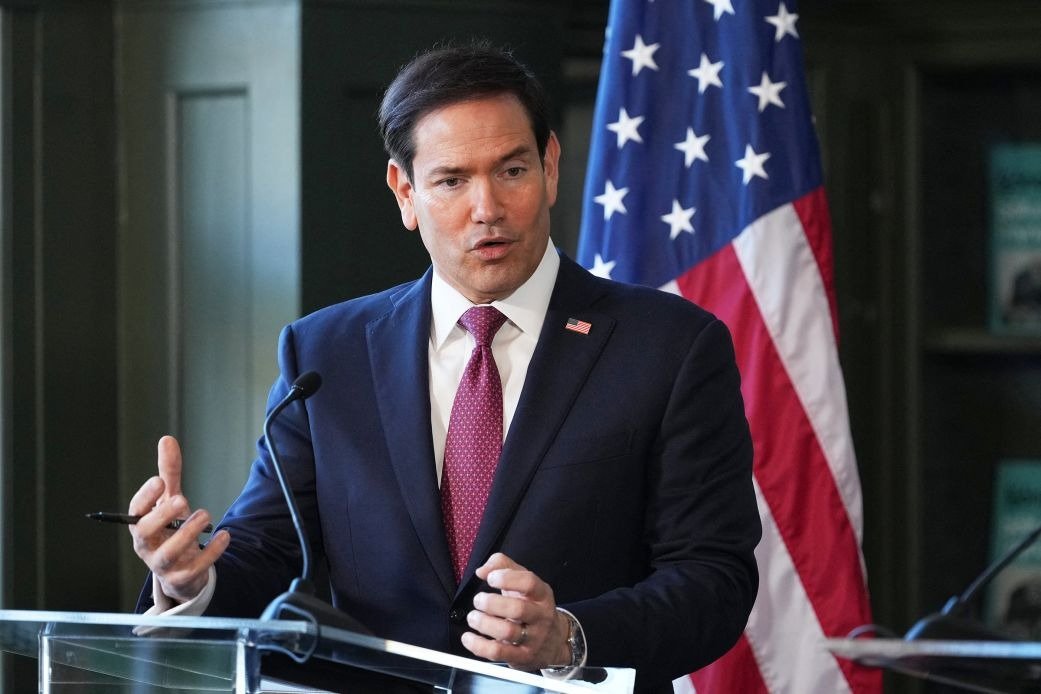
Secretary of State Marco Rubio emphasized the necessity for transparency on Tuesday, asserting that Russia bears a responsibility to share information with the international community. While stating that it would be reckless to speculate due to limited data, Rubio expressed hope that information sharing would improve within the coming hours and days. Despite these public appeals, the US has faced persistent stonewalling from Kremlin officials, fueling deep skepticism regarding the accuracy of information being provided by Russia. But the US has gotten limited cooperation so far.
President Donald Trump confirmed on Tuesday that he has a scheduled call with Russian President Vladimir Putin to address the crisis directly. During an appearance outside the White House, the President indicated that US agencies are working to compile a more comprehensive report, which he expects to be available as early as tomorrow. On Monday, he characterized the situation as a significant challenge for Moscow, hinting that the US might be prepared to offer aid if necessary.
Communication channels between the two nations have been active since Friday, involving health experts from the State Department and the Russian Foreign Ministry. Despite this ongoing outreach, US officials remain uncertain about the exact nature of the health threat. A primary concern is whether the deceased worker contracted pneumonic plague—an infection that is severe but manageable with antibiotics—or a different, more obscure pathogen. The institute involved is known to handle dangerous biological agents, including anthrax, cholera, and brucellosis. Among the critical questions still outstanding: whether the 28-year-old lab worker who died last week contracted pneumonic plague — a severe but treatable infection — or another, unknown infectious disease. According to “We don’t know a lot right now about what actually happened,”, One US official. “But one thing most of us feel certain about: The Russians are going to act like the Chinese did with Covid.
There is also scrutiny regarding whether the pathogen may have undergone gain-of-function modifications, a factor that would significantly alter the international response. Behind the scenes, officials are anxious about the Russian government’s aggressive reaction to the death, which included the quarantine of the hospital where the worker was treated. Local reports from the Shelekhovsky district suggest that nearly 200 people are currently under medical observation, heightening concerns about the scope of the incident. A regional news outlet reported, nearly 200 people are under observation. According to a source familiar with the outreach, Trump officials have also backchanneled with the World Health Organization — the international health body that Trump pulled funding from soon after taking office, but that the government has continued to communicate with in emergency situations.
The administration’s efforts to gauge the threat involve coordination across multiple federal bodies, including the National Security Council, the Centers for Disease Control and Prevention, and the Administration for Strategic Preparedness and Response. Furthermore, the US has engaged in backchannel communications with the World Health Organization. Although the WHO has also confirmed it is in contact with Russian authorities to verify the circumstances of the death, it reports having received minimal information to date.
Independent experts warn that the global capacity to respond to a new health crisis has been weakened by funding shortages and the strain of managing unrelated outbreaks, such as current measles cases in the US. Jennifer Nuzzo, an epidemiology professor at Brown University, described the potential for a secondary pathogen outbreak as a worst-case scenario. Similarly, global health law expert Lawrence Gostin questioned the reliability of official Russian disclosures, citing a lack of transparency and independent accountability as major obstacles to trusting the Kremlin’s narrative.
For the present, the US government has not implemented additional travel restrictions, noting that existing advisories already caution against visiting Russia due to the war in Ukraine and the risk of wrongful detention. State Department spokespeople continue to urge Russian authorities to facilitate open and accurate information sharing, maintaining that the administration will continue to monitor the situation closely until the risks are fully understood. They reiterated that Americans have long been advised not to travel to Russia for any reason.