

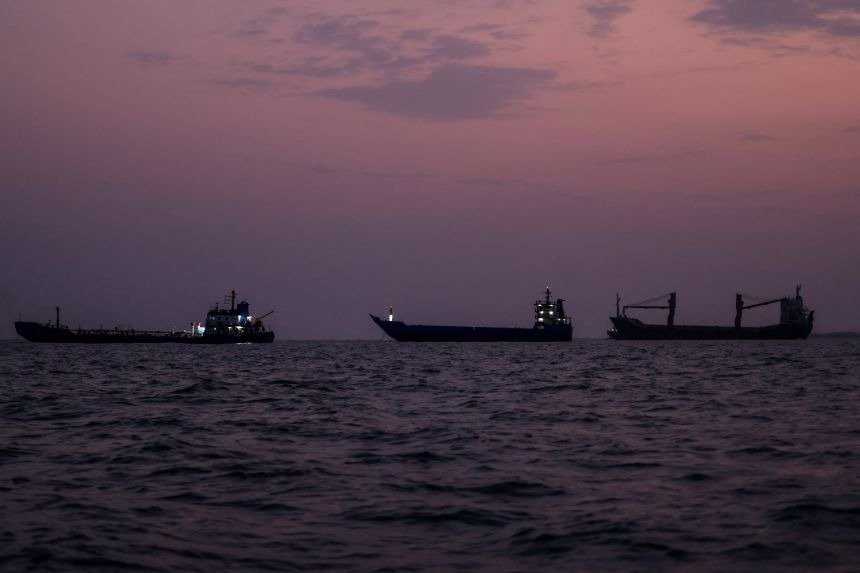
A high-stakes diplomatic gathering scheduled for Monday in Salalah has been indefinitely postponed, according to Omani Foreign Minister Badr Albusaidi. The meeting was intended to bring together Gulf diplomats and Iranian officials to negotiate a potential Omani-drafted framework for normalizing tanker traffic through the Strait of Hormuz. In an announcement on X, Albusaidi stated that the session was delayed in the interest of reaching a broader consensus, reiterating Oman’s dedication to regional stability and cooperative dialogue.
Regional stakeholders had hoped this meeting would provide the momentum necessary to address the ongoing volatility of the waterway. One regional source noted that while no immediate breakthrough was anticipated, the situation at the strait remains a critical priority that demands a starting point for negotiation. Central to the discussions was a proposed legal framework that might allow Iran and Oman to collect fees, a concept that has faced significant resistance. Although direct tolls are widely rejected by Gulf states, there has been an emerging willingness to discuss voluntary contributions framed as payments for navigational safety and environmental protections.
Saudi Arabia reportedly submitted amendments to the proposal, expressing concern that the draft language could inadvertently institutionalize an undesirable new status quo. The debate over financial charges represents a major sticking point; prior to the current conflict, the strait operated without such fees. While initial post-conflict efforts centered on ensuring no financial benefit for Iran, the prolonged impact on global energy prices has caused some European and Gulf diplomats to signal flexibility. As one European official noted, while they would not accept new impositions, symbolic rules could potentially allow all parties to save face.
The diplomatic effort highlights a growing divide between regional actors and the Trump administration. Despite the push for a local solution, administration officials have privately indicated a desire to prioritize negotiations regarding Tehran’s nuclear program over the status of the strait. President Donald Trump has publicly dismissed the need for such talks, stating on Truth Social that he prefers the current position where the US maintains significant influence, while claiming the Iranian economy is collapsing. Vice President JD Vance similarly emphasized that the United States remains the sole global player capable of ensuring control over the waterway.
The US government has continued to monitor the situation closely, with officials maintaining that they remain in constant communication with regional partners. Despite the administration’s skepticism, military operations persist, with the US Navy frequently escorting commercial vessels. One US official noted that while the initial underestimation of Iran’s willingness to threaten shipping was a strategic error, current American military assessments suggest they hold the upper hand in the waterway. Nonetheless, administration officials have sought to downplay the long-term importance of the route, with Treasury Secretary Scott Bessent recently suggesting its strategic value could diminish significantly within two years.
Regional planners argue that securing a long-term solution for the strait is essential, particularly given the recent success of Houthi military actions in the Red Sea. Some Iranian signals suggest that Tehran might be open to broader nuclear negotiations if the issue of the strait is resolved and the US blockade is lifted. With regional players seemingly unwilling to accept the current level of maritime disruption as a permanent fixture, the postponement of the Salalah meeting underscores the significant challenges in aligning the divergent interests of the United States, Iran, and the Gulf Cooperation Council states. The report also notes that “There is no imminent breakthrough expected, but resolving the strait issue is the most pressing issue, so we need to start somewhere,” a regional source said. The report also notes that “I’m not trying to force Iran to the bargaining table,” Trump wrote on Truth Social on Tuesday night, after Iran retaliated following US strikes. “I like our position now much better, with almost total control of the Hormuz Strait, and their economy totally collapsing.”. The report also notes that one of the sources said, one goal for the Monday meeting was to agree on maps for routes going through the strait. The report also notes that still, the likelihood of the Gulf Corporation Council countries and Iran getting behind a comprehensive plan to open the waterway would be virtually impossible without the US at the table. The report also notes that “We don’t want to talk about the strait, and that is the position of the administration right now — we’re only going to talk to you if you want to talk about nuclear file,” the official said. The report also notes that as a result, getting the ball rolling on a framework to reopen the waterway is likely a critical step to pave the way for nuclear negotiations and an overall end to the war. The report also notes that instead, Trump and members of his administration continue to claim that the US is the only player that can facilitate an open waterway.