

As birth rates decline and life expectancy climbs, the global demographic landscape is undergoing a profound transformation. Data from the World Health Organization indicates that the number of people aged 60 and older reached 1.1 billion in 2023, a figure projected to nearly double to 2.1 billion by 2050. This shift necessitates a fundamental rethink of how societies provide housing, healthcare, and social support to ensure that longer lives are also healthier and more independent.
Gerontologist Hatice Selin Irmak Yasar, an associate professor at Istanbul University-Cerrahpasa, argues that ageing must be treated as a lifelong policy concern rather than a niche issue. She emphasizes that today’s younger and middle-aged generations will eventually become the older population, requiring proactive planning. According to Yasar, the goal is to ensure that home remains a secure foundation for social connection rather than a boundary that isolates an individual.
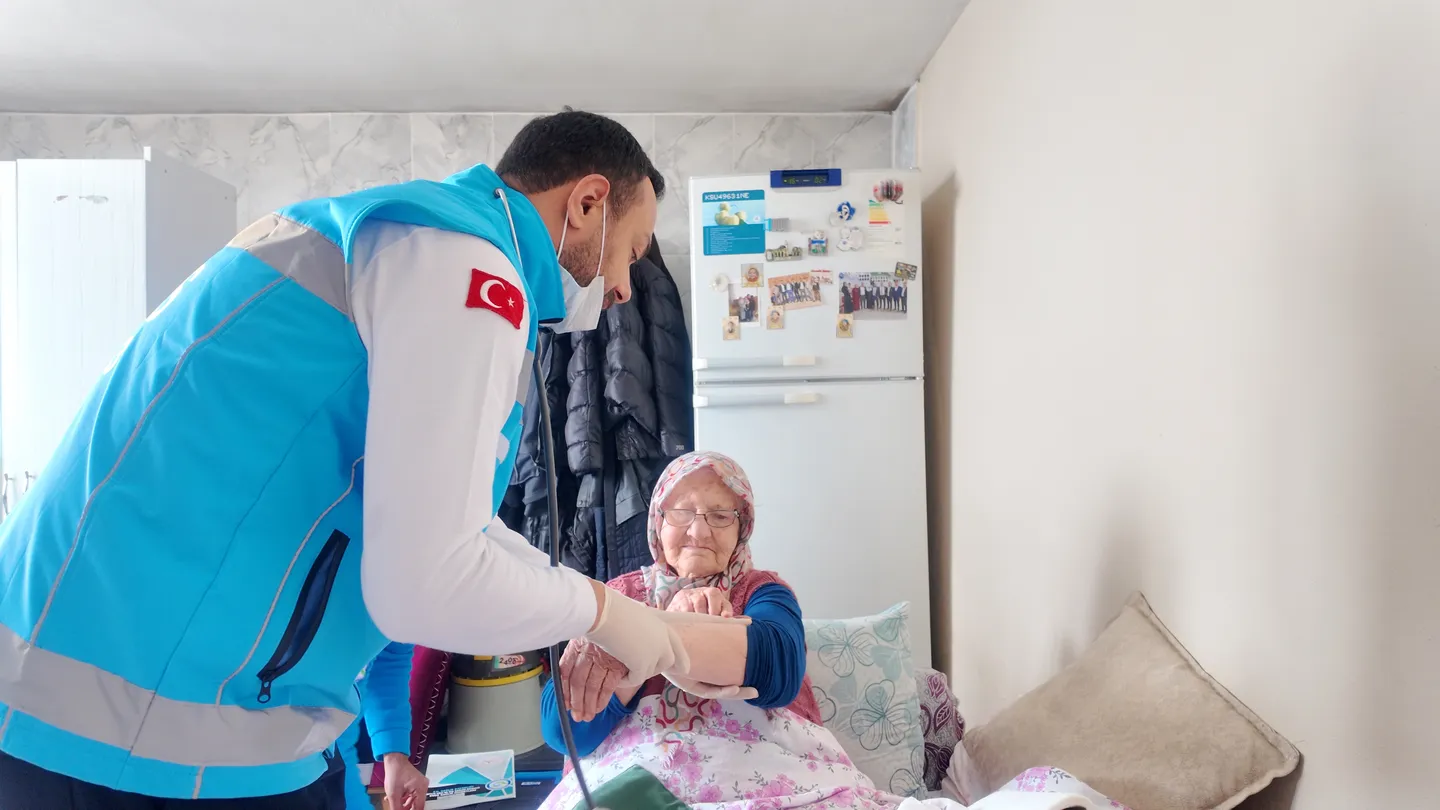
Türkiye has adopted a community-centric approach to address these demographic changes. In 2023, citizens aged 65 and over represented 10.6 percent of the country’s population, a share that the Turkish Statistical Institute (TUİK) projects will climb to 17.9 percent by 2040 and 27 percent by 2060. To manage this transition, the government has moved beyond traditional institutional care by implementing programs like the Elderly Support Programme (YADES), which facilitates home-based care and daytime assistance through local municipalities.
The impact of these services is tangible for residents like Faik Uluocak in the Mesudiye district of Ordu, who notes that municipal support has significantly eased daily challenges. Beyond YADES, the National Vefa Programme has provided essential aid to approximately 128,000 individuals struggling with personal care. Furthermore, the Ministry of Family and Social Services reported that 42 Active Life Centres were operational across the country by the end of 2025, offering spaces for older adults to maintain social routines and community engagement.
Switzerland, which currently holds the top position among 143 nations on the Global Aging Society Index, focuses heavily on integrating age-appropriate housing into urban planning. A 2025 study published in the journal Cities, titled “Housing for ageing in place: Urban densification projects and the provision of age-appropriate housing in Switzerland,” highlights successful models in municipalities like Belp, Bolligen, and Zollikofen. These projects prioritize “ageing in place,” ensuring that residents can remain in their familiar neighborhoods while accessing necessary services.
In Belp, a redevelopment project replaced a former industrial site with 34 care beds and 13 independent, age-friendly apartments. These units include emergency call systems and shared amenities such as kitchens, fitness areas, and social rooms. Similarly, in Bolligen, the municipality utilized public land to support a housing cooperative in creating 41 independent apartments. Such initiatives are crucial, as data from the canton of Bern shows that only 18 percent of residents aged 80 and over currently live in institutional care facilities.
Japan is pursuing a different path by heavily integrating technology into its care infrastructure. The Ministry of Economy, Trade and Industry is actively promoting the development of robotics and advanced care technologies to mitigate the physical burden on caregivers and bolster the independence of older citizens. By combining these technological advancements with community-based social support, Japan aims to create a sustainable framework for its rapidly ageing society.
Ultimately, the strategies employed by Türkiye, Switzerland, and Japan demonstrate that there is no single solution to the challenges of an ageing world. Whether through the expansion of local social centers, the construction of age-friendly housing, or the implementation of robotic care assistants, the common thread is a commitment to preserving the dignity, autonomy, and social connectivity of older populations. As Yasar notes, the success of these efforts depends on the ability of policymakers to adapt housing and support systems to the evolving needs of individuals as they age. The report also notes that but preparing for an ageing population is not simply about expanding services for older people. The report also notes that countries, however, are responding to this demographic shift in different ways. The report also notes that “We couldn’t find this kind of support in the past. The report also notes that the staff’s help also makes things easier. The report also notes that security and control, particularly during major life transitions, Yasar says, remaining in familiar surroundings can help preserve these connections and support a sense of belonging. The report also notes that developing alternatives to institutional care is also becoming an important part of policy approaches, as the older population grows.