

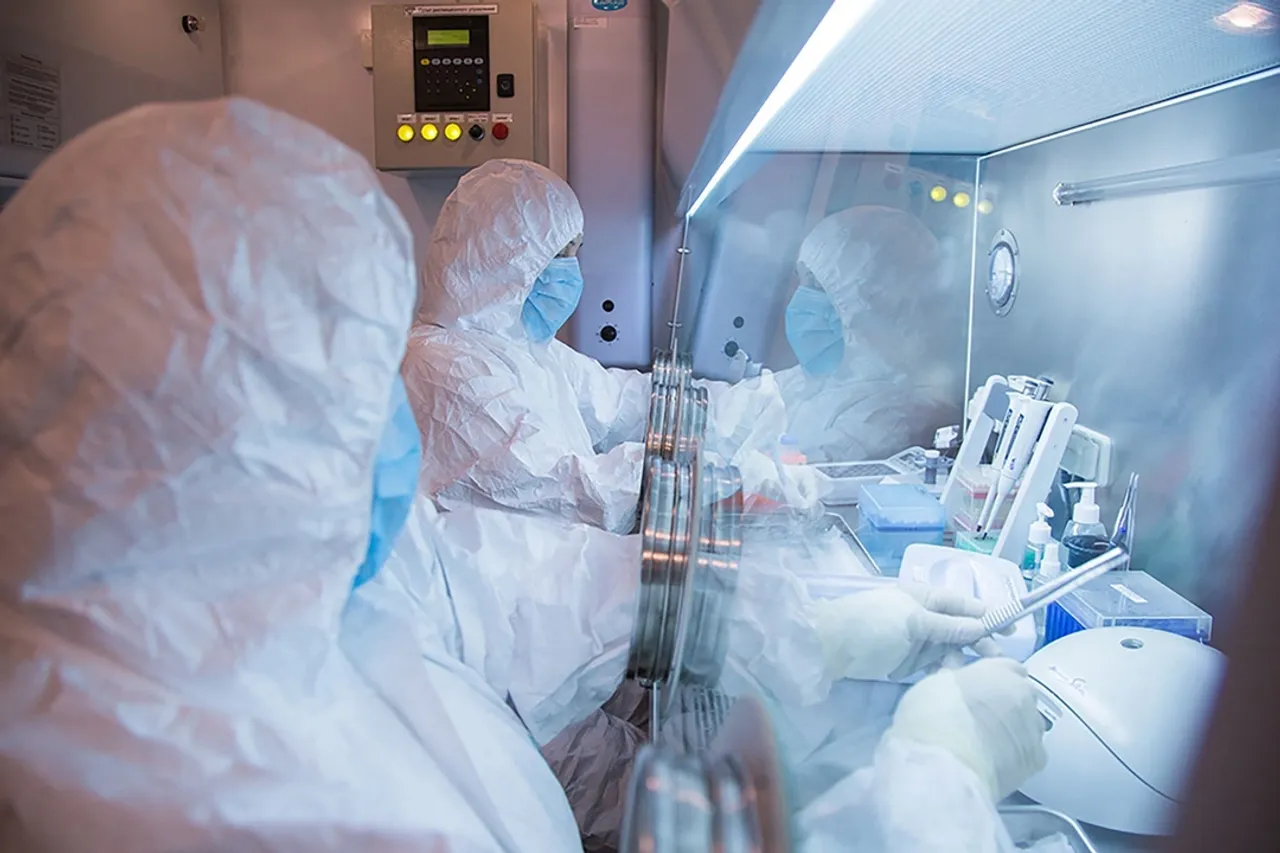
Laboratories dedicated to studying the world’s most dangerous pathogens rely on rigorous safety protocols to prevent accidental release. However, evidence gathered between 2000 and 2024 suggests these systems are not infallible. During this period, reports documented 712 laboratory-acquired human infections and 17 deaths, highlighting the persistent risks inherent in high-stakes biological research. And strict biosafety rules exist to keep those microbes contained, laboratories exist to study the world’s most dangerous microbes. The record shows the rules do not always hold. The episodes are notable because the agency helps set biosafety standards for laboratories across the United States.
In 2012, a 25-year-old microbiologist in California died after contracting a meningococcal infection. Subsequent investigations by the US Centers for Disease Control and Prevention (CDC) identified several critical biosafety breaches, serving as a reminder that even routine laboratory work with common bacteria can prove fatal when safety measures are compromised. The case showed that even trained scientists handling Neisseria meningitidis in routine conditions can pay with their lives when safety procedures fail.
The CDC itself faced significant scrutiny in 2014 following two separate incidents. In one, dozens of staff members were potentially exposed to anthrax that had been inadequately inactivated. In another, materials contaminated with H5N1 avian influenza were mistakenly shipped to a secondary facility. While these instances did not result in deaths or illnesses, they underscored vulnerabilities within institutions tasked with setting national biosafety standards. Not only fatalities, can reveal weaknesses in even the best-resourced institutions and raise questions about oversight, they show that near misses.
The risk of exposure also extends to rare diseases that are difficult to manage. A French research technician passed away in 2019 from variant Creutzfeldt-Jakob disease (vCJD), a fatal prion-linked brain disorder. Authorities determined the infection likely originated from a needlestick injury that occurred nine years earlier in 2010. Because prions resist standard sterilization, such accidents pose a unique challenge for laboratory containment. Here are five incidents that show how containment can fail. The Ministry of Agriculture made the assessment. And standard sterilisation methods struggle to destroy them, which makes accidental exposure particularly hard to guard against, prions are neither bacteria nor viruses.
Some incidents have impacted the wider community rather than just laboratory personnel. In a significant 2019 and 2020 event at a vaccine factory in Lanzhou, China, improperly disinfected waste gas released aerosolized Brucella bacteria. Published research indicates the incident led to more than 10,000 reported cases of brucellosis, a condition characterized by persistent fever and joint pain, marking one of the largest recorded accidental pathogen releases.
Recent events continue to spark concern regarding transparency. In 2026, a 28-year-old employee at an anti-plague institute in Irkutsk, Russia, died from severe pneumonia. Although some sources alleged a laboratory-linked plague accident, local authorities have not confirmed such a connection, leaving the investigation open as the cause of death remains officially undetermined.
These cases collectively demonstrate that biosafety is a function of both stringent, enforced procedures and honest, timely reporting. Whether dealing with common pathogens or highly infectious agents, the potential for human error remains a constant factor that necessitates ongoing vigilance and institutional accountability.