

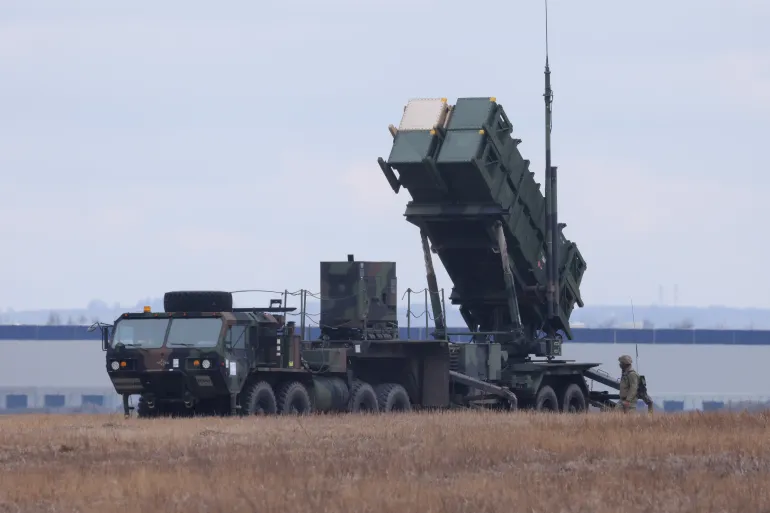
The US Department of Defense has issued a formal directive to the domestic defense industry, urging a significant acceleration in weapons manufacturing to address critical munitions shortages. This push to replenish stockpiles comes as the military manages the impact of the ongoing conflict with Iran, which has placed substantial strain on existing inventories.
Pentagon spokesman Sean Parnell stated on Saturday that the department is prioritizing the acquisition of munitions to ensure the military can provide “the weapons our warfighters need at the pace the threat demands.” While Parnell characterized these efforts as part of a long-term modernization strategy, the urgency of the situation was underscored by a memo from Deputy Defense Secretary Steve Feinberg. In the correspondence sent to industry leaders last Wednesday, Feinberg granted firms a 21-day window to submit plans aimed at achieving “significantly faster, more aggressive delivery schedules and/or increased production for critical capabilities.”
Feinberg emphasized that the current, lengthy development cycles are unsustainable, stating, “We must dramatically accelerate our program schedules and expand our production capacity now.” This directive aligns with the Pentagon’s broader objective to rebuild the defense industrial base, a goal that will influence the fiscal year 2028 budget proposal currently being prepared for Congress.
The pressure to ramp up production follows alarming data regarding the depletion of advanced missile defense systems. According to an analysis by the Center for Strategic and International Studies (CSIS), the inventory of Patriot interceptors dropped from 2,330 before the conflict to between 759 and 827—a decline of at least 65 percent. Similarly, the supply of Terminal High Altitude Area Defense (THAAD) interceptors fell from 452 to a range of 232 to 262 by the time of the April ceasefire. Although the US managed a slight replenishment to between 234 and 278 units, the THAAD stockpile remains at least 38 percent below pre-war levels.
Retired US Marine Corps colonel Mark Cancian, a co-author of the CSIS report, warned of the strategic risks posed by these shortages. “We don’t have that many [interceptors] left, and there are no good substitutes,” Cancian told Al Jazeera. He noted that if Patriot supplies are exhausted, the likelihood of enemy missiles successfully penetrating defensive shields increases significantly. Experts suggest that even with increased funding, restoring these inventories to pre-war levels could take at least three years.
President Donald Trump has publicly disputed claims of a strategic disadvantage, asserting on Truth Social that the US maintains “massive amounts of munitions” and that production is expanding. He highlighted that defense contractors are currently building a record number of new facilities. However, the administration’s efforts to secure a $1.5 trillion defense budget—up from $900 billion last year—remain stalled in Congress, where lawmakers have expressed frustration over the military’s involvement in the conflict.
To mitigate these supply chain vulnerabilities, the Department of Defense recently finalized agreements with major contractors Lockheed Martin and Northrop Grumman to boost production capacity for missile defense components. As the Pentagon continues to navigate these logistical challenges, the focus remains on balancing immediate operational requirements with the long-term necessity of maintaining a robust and responsive defense industrial base.
For example, it said, American forces may launch fewer missiles against incoming Iranian drones and missiles, raising the chance of one getting through.
He added that “large amounts are being manufactured and shipped to the US as needed” and that defence contractors are “building the largest number of plants and factories in our country’s history”.
On Saturday, Parnell affirmed that Feinberg’s memo seeking a rapid escalation of weapons production is “real,” adding that it “will inform the fiscal year 2028 budget submitted to Congress for funding, and it is entirely
He confirmed the department’s efforts over the last week to significantly speed up the process, but insisted it was part of a broader modernisation effort that predated the five-month-old conflict.
Experts say shortages in both offensive and defensive weapons could leave US forces less secure.
But the stockpile is still at least 38 percent smaller than it was before the conflict.