

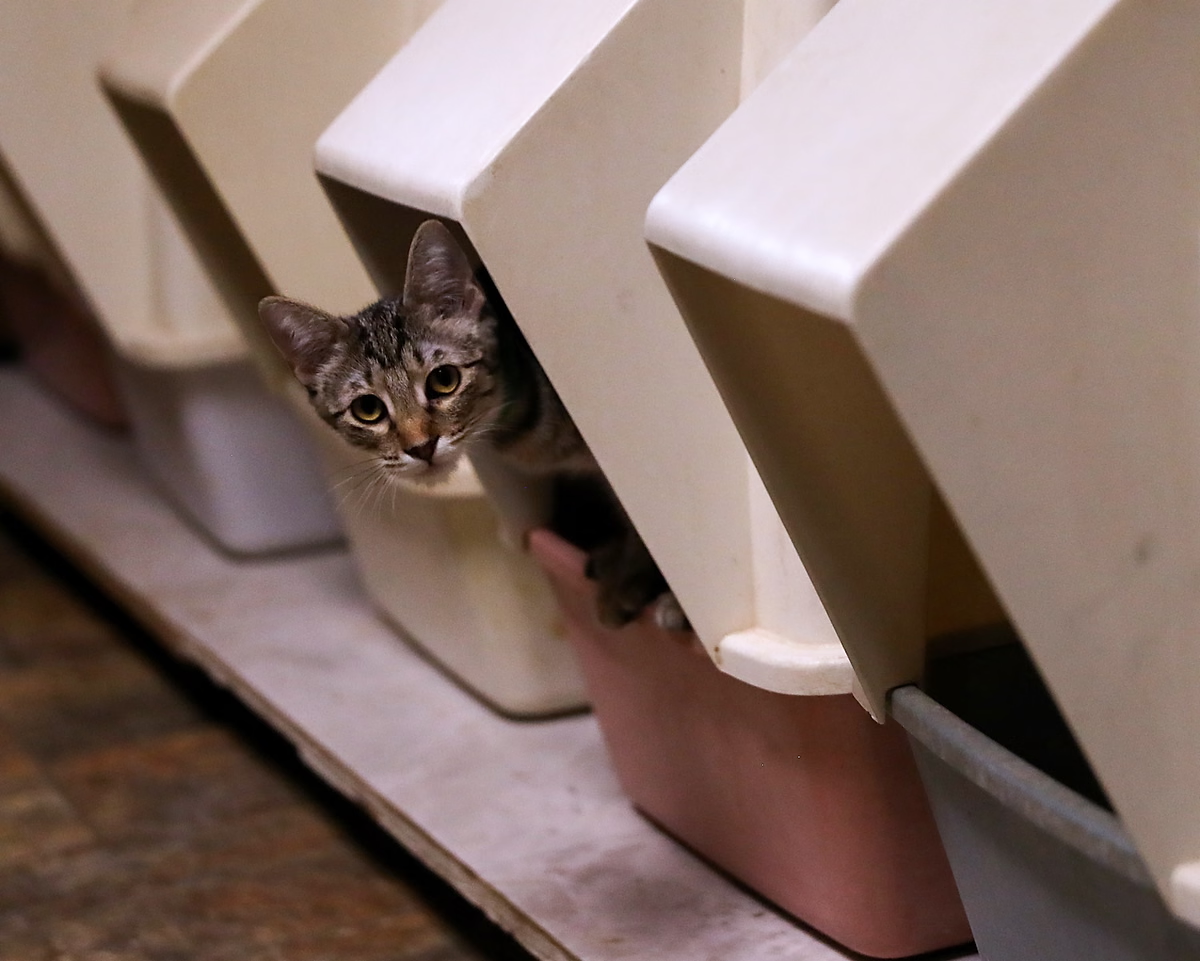
Living with cats requires catering to their specific needs, particularly when it comes to their bathroom habits. Many owners make the common mistake of designing a litter setup that is convenient for humans rather than comfortable for the animal. Samantha Bell, a cat expert and content strategist at the Best Friends Animal Society, emphasizes that because we bring cats into our homes, it is our responsibility to prioritize their comfort, as the litter box serves as a fundamental aspect of their daily well-being.
While some social media trends suggest having a box in every room, this is not a practical necessity. However, having multiple locations is often beneficial, especially in multi-cat households. Dr. Marci Koski, a certified feline behavior consultant, notes that while cats can share, they do not always choose to, particularly if there is friction between them. In such cases, providing more locations than the number of cats is advisable to ensure everyone feels secure.
Creating a successful setup does not have to be overly complex. Experts recommend choosing boxes that are significantly larger than most standard commercial options. A box should measure roughly 1.5 times the length of the cat, from the nose to the base of the tail, to provide sufficient room for the cat to turn, dig, and bury waste without touching the sides. Furthermore, open-top boxes are generally preferred by felines over enclosed ones, as they allow for better air circulation and provide the cat with a clear view of their surroundings, which helps them feel less vulnerable.
Placement and maintenance are equally vital to hygiene. Boxes should be kept in quiet areas where the cat can monitor approaching traffic and has multiple escape routes, but they should remain separated from the cat’s food and water stations. Experts advise using unscented, clumping litter with a medium to fine texture, similar to sand, and maintaining a depth of approximately 2 to 3 inches to allow for proper waste coverage. The litter box unit itself should be replaced every year or two, especially if visible scratches have formed, as these can trap bacteria and persistent odors.
Consistent cleaning is essential for health. Litter should be scooped daily, though high-traffic boxes may require more frequent attention. A full replacement of the litter depends on the material; some pine or paper substrates need changing every 2 to 3 days, whereas clumping clay may only require a full refresh once a month. Neglecting this routine can lead to painful urinary tract infections, causing significant distress to the animal.
Behavioral cues often signal that a cat is dissatisfied with their box. Warning signs include excessive vocalization, rushing in and out without digging, or perching on the edges to avoid contact with the litter. Cats may also scratch nearby walls or floors rather than the litter itself. Should a cat begin to avoid the box entirely, it is crucial to understand that this is never an act of spite or intentional disobedience; these animals are naturally clean and are likely attempting to communicate that something is physically or environmentally wrong.
If a cat experiences accidents outside the designated box, the primary step should be a veterinary evaluation rather than punishment. A change in elimination habits can be a medical red flag, such as in the case of a senior cat who was found to have diabetes after showing symptoms of increased thirst and reduced bladder control. By approaching litter care with attention to a cat’s natural instincts, owners can prevent health issues and ensure their pets feel safe and supported in their environment. The report also notes that people have revered cats, t hroughout history. The report also notes that ancient Egyptians worshipped feline deities. The report also notes that the Viking goddess Freya rode around in a sled pulled by two cats, in Norse mythology. The report also notes that and my father regularly takes his cat on walks around town in a little bubble backpack so she can see the sights. The report also notes that we serve them and not the other way around, as anyone who has lived with a cat knows. The report also notes that this includes the messy and malodorous task of tending their litter box. The report also notes that below, what you need to know to ensure your feline overlord’s bathroom satisfaction. The report also notes that i imagined my small apartment crammed with litter boxes and despaired. “Is that what you want.