

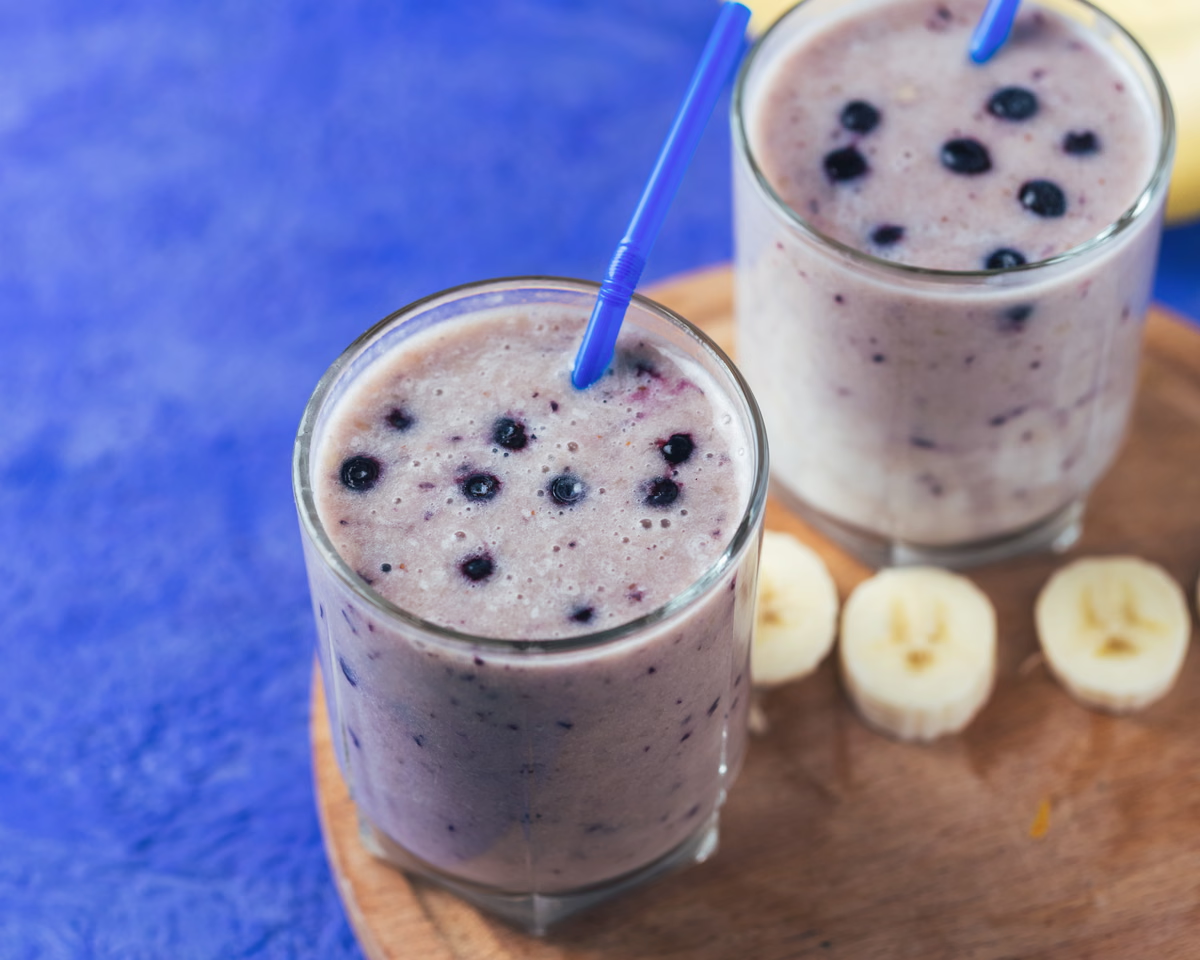
Bananas have enjoyed a banner year in 2026, celebrated as a viral sensation, featured as a trendy lip balm flavor by Prada, and even dubbed the next pumpkin spice. However, a recent appearance by biomedical scientist Dr. Rhonda Patrick on the Mel Robbins Podcast has sparked debate, with her claim that adding bananas to blueberry smoothies could diminish the nutritional value of the berries.
The core of this concern lies in an enzyme known as polyphenol oxidase, which is naturally present in bananas. Polyphenols are a broad category of antioxidant compounds found in various plants, including blueberries. According to Patrick, this enzyme breaks down polyphenols, effectively reducing the nutritional benefit of the smoothie. She stated that the banana essentially kills the benefit, leading to a lower concentration of these compounds.
This assertion likely stems from a 2023 study investigating how polyphenol oxidase impacts the body’s absorption of flavanols, a specific type of polyphenol. Participants in that study who consumed banana-based smoothies with added flavanols showed lower blood levels of these antioxidants compared to those who drank berry-based smoothies with the same additive. However, experts urge caution when interpreting these findings.
Dr. Joe Schwarcz, director of McGill University’s office for science and society, points out that the researchers behind the 2023 study never actually combined bananas and blueberries in a smoothie. Furthermore, the study involved only eight subjects, which is insufficient for drawing broad conclusions. While Schwarcz acknowledges that polyphenol oxidase can indeed cause a statistical difference in polyphenol levels, he emphasizes that context is crucial.
Blueberries are rich in anthocyanins, which are more abundant and significant than the flavanols measured in the study. Anthocyanins are linked to various health benefits, including a reduced risk of cardiovascular disease, type 2 diabetes, and overall mortality. Because the study focused on flavanols rather than the primary compounds in blueberries, its relevance to the average smoothie drinker is limited. Additionally, the study was funded by Mars, a company that sells flavanol supplements and chocolate.
A spokesperson for Dr. Patrick’s company, FoundMyFitness, maintained that the enzyme’s role in breaking down polyphenols is well-established and not dependent on a single study. While nutrient interactions are common—such as vitamin C enhancing iron absorption or oxalates in spinach binding to calcium—dietitians argue that these interactions should not dictate daily eating habits.
Alyssa Northrop, a registered dietitian based in Minneapolis, suggests that focusing on the broader picture is more important than micromanaging food combinations. She notes that eating a varied diet rich in vegetables, fruits, whole grains, nuts, and seeds is far more critical than optimizing the absorption of every single nutrient in a smoothie. Consuming too few fruits and vegetables remains a much larger health concern than the potential loss of some polyphenols.
Bananas remain a highly accessible and affordable source of potassium, vitamin B6, vitamin C, manganese, magnesium, and fiber. For those who enjoy the creamy texture bananas provide but remain concerned about flavanol levels, dietitians suggest alternatives. Sheri Gaw, a registered dietitian nutritionist in the San Francisco Bay Area, recommends using ingredients like oats, yogurt, silken tofu, kefir, avocado, or frozen cauliflower to achieve a similar thickness. Mango or pineapple are also suggested as fruits with lower polyphenol oxidase activity.
Ultimately, experts emphasize that the interplay between bananas and berries is insignificant within the context of a balanced diet. Evidence suggests that consuming 400 to 600mg of flavanols daily from sources like cocoa, green tea, and apples can support cardiometabolic health, such as blood pressure and cholesterol regulation. However, fixating on specific food components is often viewed as scientific overreach. As Schwarcz concludes, health is a complex result of genetics, activity levels, and overall nutrition, making the debate over a single smoothie ingredient largely irrelevant to one’s long-term well-being. The report also notes that landed pride of place as Prada’s new lip balm flavor, and were even deemed “ the next pumpkin spice ”, t his year was shaping up to be a banner year for bananas: they were lauded as “ 2026’s big viral taste ”. The report also notes that could the beloved mashup of blueberries and bananas really be a bad match. The report also notes that you’re not getting as many polyphenols, and there have now been studies … showing if you add bananas to blueberries. The report also notes that a body of research does support that polyphenol oxidase influences the antioxidative capacity of different compounds in fruit and vegetables in various different ways. The report also notes that blueberries contain several types of polyphenols. The report also notes that can nutrients actually ‘cancel each other out’. The report also notes that vitamin B6, vitamin C, manganese and magnesium, along with about 3 grams of fiber per medium fruit, they contain potassium.