

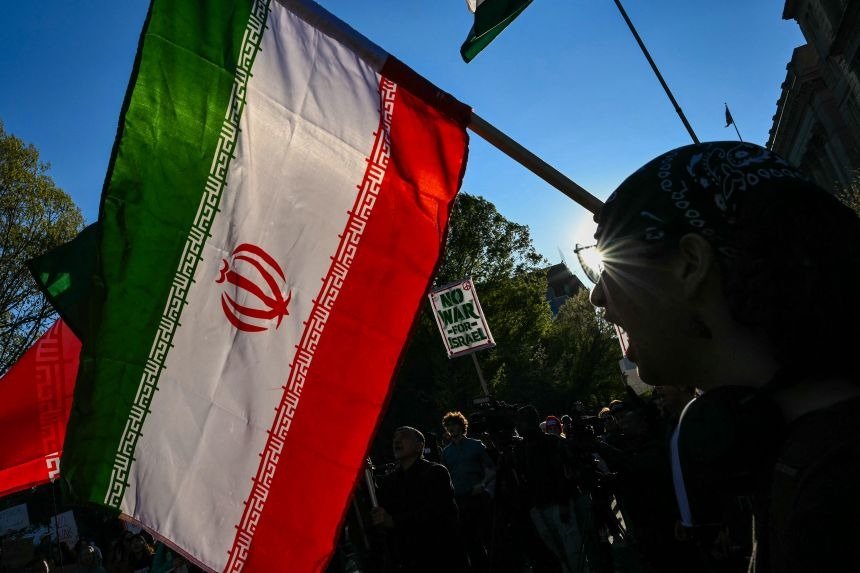
Six months have passed since the United States and Israel initiated military strikes against Iran, a period that has left the Iranian American community profoundly fractured. The diaspora, which includes generations ranging from those who fled the 1979 revolution to more recent arrivals escaping domestic crackdowns, remains split over the conflict’s origins and its ultimate impact on the Islamic Republic.
For many anti-regime activists, the initial military campaign was viewed as a necessary catalyst for political change. Arezo Rashidian, a monarchist activist based in Los Angeles, previously expressed hope that targeted strikes on military bases would successfully topple the government. However, six months later, that optimism has largely soured. “We really wanted regime change; it’s been six months now, and it didn’t get to that point,” Rashidian noted, highlighting a growing sense of frustration and uncertainty among those who supported the intervention.
Rashidian reports that her contacts within Iran describe a renewed climate of fear. She claims that the secret police have begun mobilizing as the intensity of the fighting has waned, leading to a public retreat from political discourse and a reluctance to discuss involvement in earlier protests. While she remains a proponent of economic pressure, hoping that further sanctions will “tighten the rope” around the regime, the anticipated “economic D-Day” measures announced by the Trump administration this week were met with disappointment. Instead of major new actions, the government focused on strengthening the enforcement of existing sanctions, a move Treasury Secretary Scott Bessent defended as a way to target networks used to evade current restrictions.
The Iranian government has countered these threats by warning of potential retaliation, including expanded strikes against regional oil producers and European nations, while also hinting at the possible weaponization of its nuclear program. Meanwhile, reports of intensified enforcement of mandatory hijab laws and alleged crackdowns on dissent continue to surface, though these remain difficult to independently verify.
The internal divide within the diaspora has also strained personal relationships. Aria Rostami, a 38-year-old museum professional in New York, expressed deep disillusionment with members of the community who enthusiastically cheered for military intervention. “I was really disheartened by the community when they were on the streets cheering the war,” he said. Rostami noted that the conflict has fundamentally altered his perception of fellow Iranian Americans, replacing a sense of shared identity with suspicion and uncertainty regarding their political beliefs.
Rostami rejected the concept of “Iranian exceptionalism”—the argument used by some supporters that Iran required a unique military approach compared to previous interventions in Iraq, Afghanistan, or Libya. He believes many in the diaspora were misled about the potential outcomes of the war. “People are being lied to, manipulated, played for a fool,” he argued. Despite his strong opposition to the war, Rostami acknowledged that the support for military action often stemmed from genuine pain, suggesting that many were taken advantage of during a volatile period. The report also notes that the physical, financial and emotional impacts of the war have reverberated from Tehran across the world, including to the vast Iranian community in the US, which has been divided with varying opinions on how the war started and what is has – or hasn’t – accomplished, six months since the United States and Israel launched the first strikes on Iran. The report also notes that those experiences helped shape sharply different reactions to the conflict. The report also notes that others feared the human cost of military escalation and warned that civilian suffering and regional instability could outweigh any political gains. The report also notes that but competing experiences of exile, repression and what many believed the future of Iran should look like, the divide reflects not only differing political views. The report also notes that spoke with Arezo Rashidian, a longtime monarchist activist aligned with Crown Prince Reza Pahlavi, the exiled son of Iran’s last shah who helped organize protests in the Los Angeles area, at the start of the war. The report also notes that with videos showing women being publicly admonished over their clothing and businesses facing scrutiny for alleged dress-code violations, her comments come as has reported on a renewed focus on enforcing Iran’s mandatory hijab laws. The report also notes that executions and broader security crackdowns – claims cannot independently verify, rashidian also described accounts of arrests. The report also notes that the conflict, Rostami said, exposed divisions within the diaspora that have left him questioning assumptions he once took for granted.