

Travelers seeking an escape from the typical tourist trail have shared their favorite lesser-known European islands, ranging from remote Atlantic coves to volcanic Mediterranean retreats. Readers are invited to submit their own travel tips for a chance to win a £200 voucher for a Coolstays break.
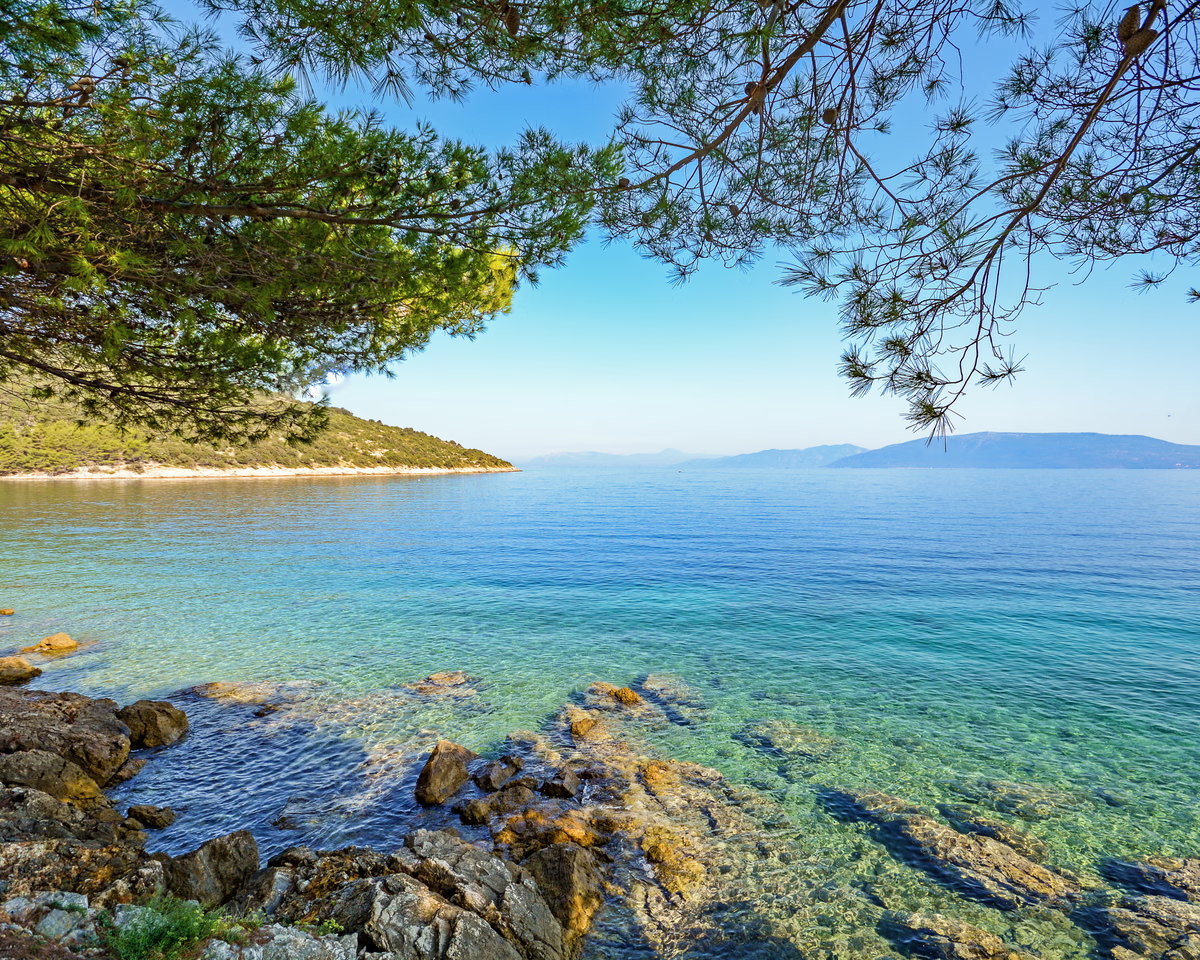
In Croatia, the island of Cres offers a wilder alternative to the mainland. As the least populated of the four main islands in the Kvarner Gulf, it features scrubby heath, olive groves, and lavender fields. Visitors can observe griffon vultures gliding near the island’s highest points, while the town of Cres provides a quiet atmosphere where local life continues much as it has since the Venetian era, all surrounded by clear, turquoise waters.
For those exploring Ireland, Valentia Island off the Kerry coast provides a secluded retreat. Accessible by bridge or ferry, the island features Glanleam beach, a hidden cove framed by lush vegetation and views of the Dingle peninsula. Meanwhile, in Greece, Karpathos remains largely untouched by mass tourism. The remote village of Olympos retains traditional customs, such as the drying of makarounes pasta, while beaches like Apella and Achata offer pristine scenery. Visitors can stay at Hotel Lefkorama for panoramic views before dining at local tavernas.
The French island of Île de Sein, reached by a 60-minute ferry from Audierne, offers a unique experience. The journey passes the Pointe du Raz, where complex currents create unusual wave formations that can push seabirds in opposing directions. The island itself sits only 1.5 meters above sea level, is car-free, and features shell-rich beaches and historic lighthouses. Similarly, Lipari in Sicily draws energy from its volcanic roots. The town is dominated by a castle and offers a vibrant evening atmosphere, where visitors can enjoy the local passeggiata, sample island-themed cocktails like the “Volcano,” and swim in the shimmering waters off Papesca and Porticello.
In the Canary Islands, La Graciosa provides a tranquil alternative to the busy resorts of Lanzarote. The island features sandy, traffic-free streets in Caleta de Sebo and opportunities for snorkeling or cycling among volcanic peaks. Further north, the Welsh island of Skomer is a premier destination for wildlife enthusiasts, particularly for those looking to observe puffins in their natural habitat.
The Baltic region also holds hidden treasures. Sweden’s Gotland is home to the medieval town of Visby, known for its well-preserved city walls and cobbled streets. A short trip away, the island of Fårö offers visitors the chance to cycle to the “rauks,” which are massive limestone columns, or hunt for fossils in areas that were once ancient coral reefs. In Estonia, the island of Saaremaa features the nine Kaali craters, formed by a meteorite impact approximately 3,500 years ago. The site, which has historical links to ancient sun-related folklore and animal offerings, features a small Meteoritics Museum that costs €2 (£1.70) to enter. The report also notes that which includes the Pointe du Raz where currents off the Breton coast create weird wave formations that carry bemused seabirds in opposite directions even when the, after an exciting 60-minute ferry crossing from Audierne. The report also notes that winning tip: a bird’s-eye view of wild Croatia. The report also notes that some, like Cres town, are unobtrusively set up for holidaymakers; in others local people just quietly get on with the life they’ve lived since the Venetians ruled here. The report also notes that every week we ask our readers for recommendations from their travels. The report also notes that a selection of tips will be featured online and may appear in print. The report also notes that to enter the latest competition visit the readers’ tips homepage. The report also notes that my sister and I took a road trip along the south-west coast of Ireland, earlier this summer.